Our five day Goa trip, stop by stop
We live about 35 km from the Karnataka coast, so a beach on its own has never been enough to make us pack the car. Goa, with its reputation for crowded shores and parties, was never on our list for that reason. Then we decided to see what else it had to offer, and drove down from Karkala in our Tata Punch with the kids for five days.
We based ourselves in a service apartment at Majorda and spent the days chasing forts, museums, forests, waterfalls and temples instead of sunbeds. Some of it was better than the reviews promised and some of it was a letdown. Here is the trip day by day, with the costs, the wrong turns from Google Maps and the honest verdicts.
🔗Day 1: Karkala to Majorda
We left Karkala on 2 October and made our usual stop at Kamat in Murudeshwar, which has been our break on this route for years. We treated ourselves to buns, idlis and samosas with good tea and coffee. Lunch was at Kamat Upachar in Ankola, and this one was sub-par. It did not match our earlier experiences from the days when we were regulars on the Mangalore to Hyderabad bus route.
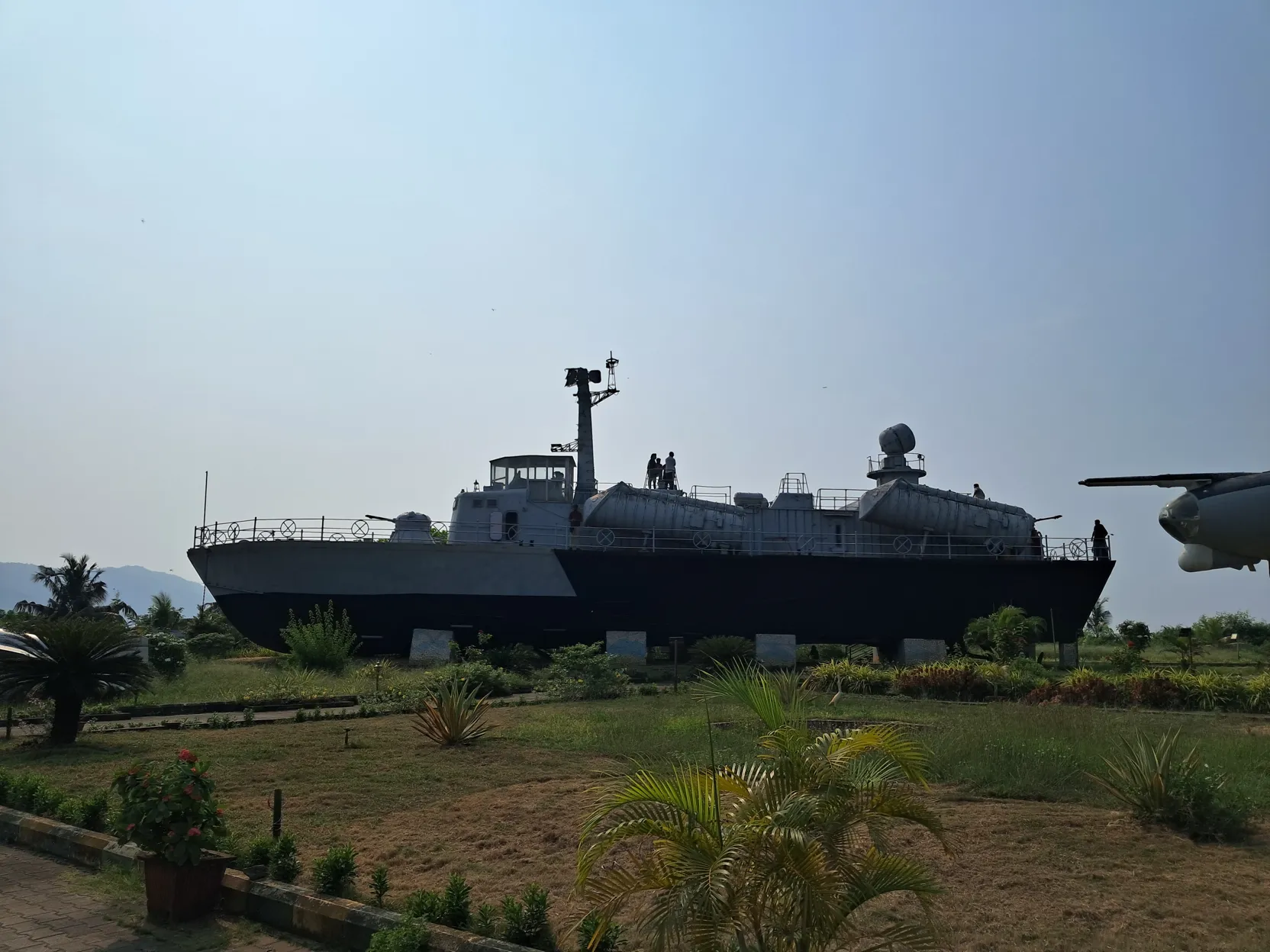
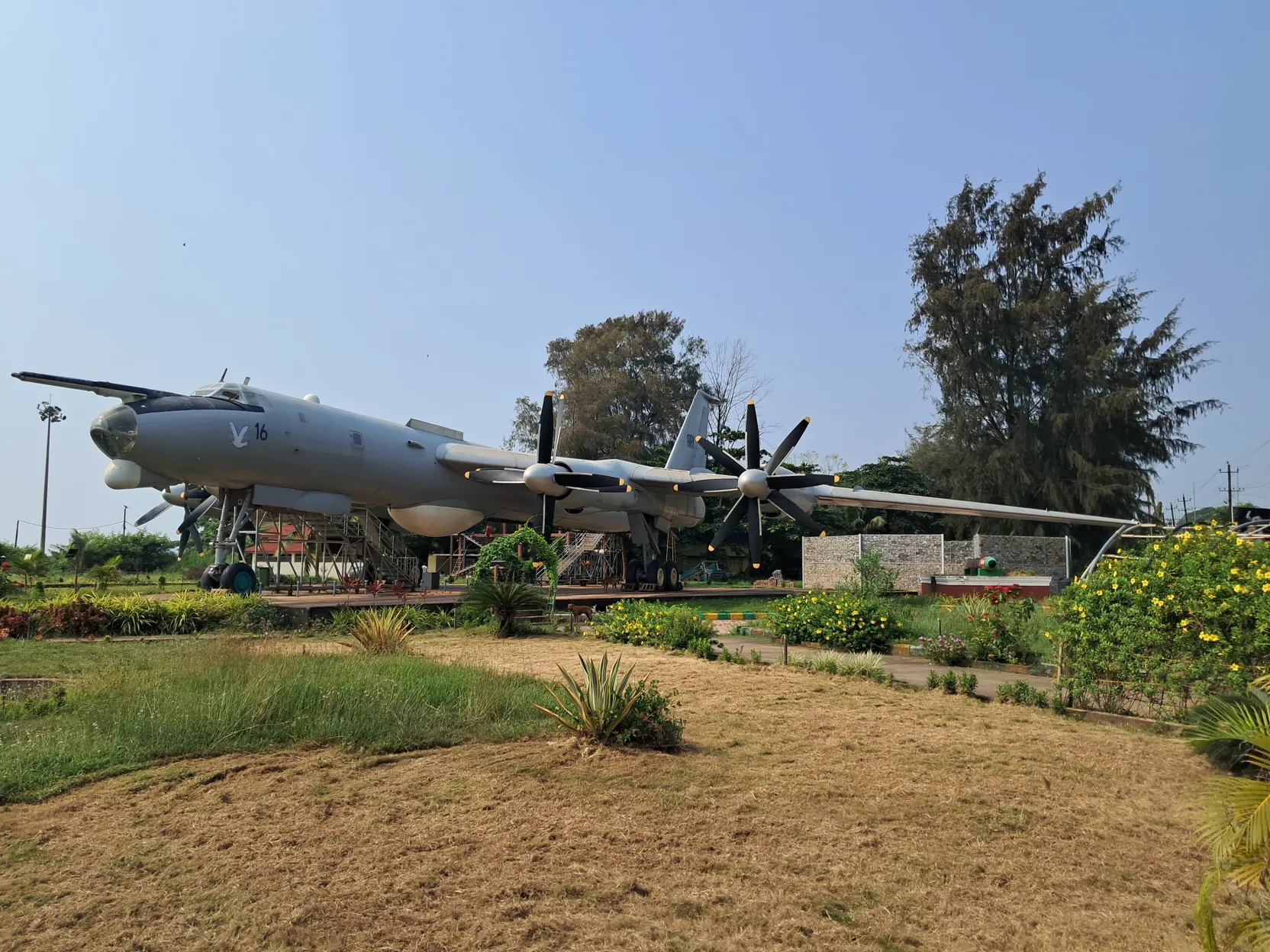
Next we headed to INS Chapal (K94), the Warship and Aircraft Museum at Karwar. The area itself is well maintained, but there were no information placards inside the machines, so it was hard for a layman to understand what was what. Visitors were busy clicking photographs anyway.
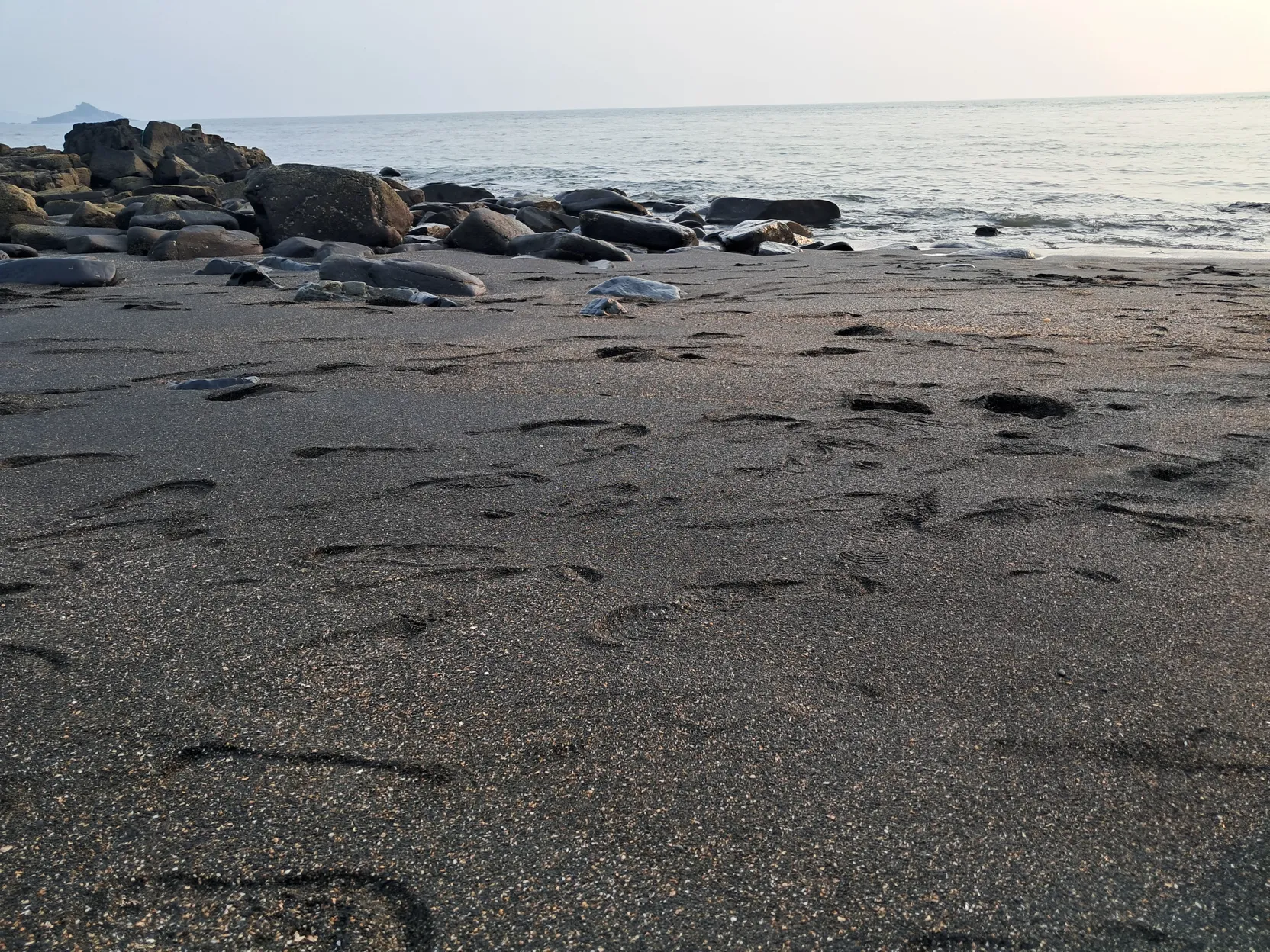
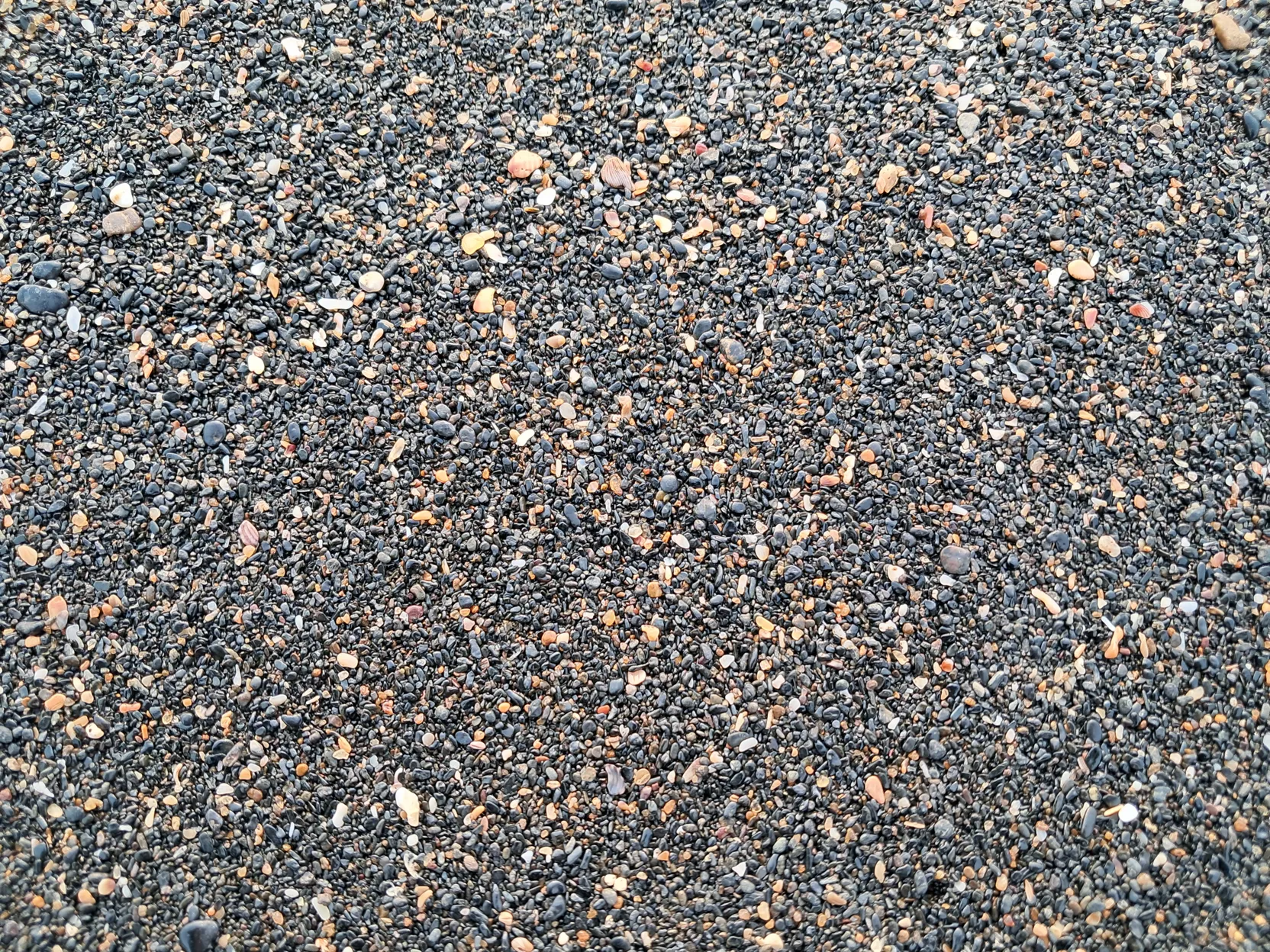
Next up was Tilmati beach. Google took us down a wrong road that was nowhere close to the destination. Locals told us to head back the opposite way and enter near a fish market, which leads to the shoreline. From there we had to take a right and drive to the dead end, where a house owner had turned the empty area into a parking lot, and we left our car there. We were told it would be a 15 minute walk, but it turned out much longer, through bushes on the hill and over rocks along the shore. We were exhausted, but the result was worth it. The kids enjoyed playing in the water and on a new kind of sand, and then we headed back to the car. The landlady had generously sprayed water on all the parked cars, and for a moment I wondered if it had rained in that area.
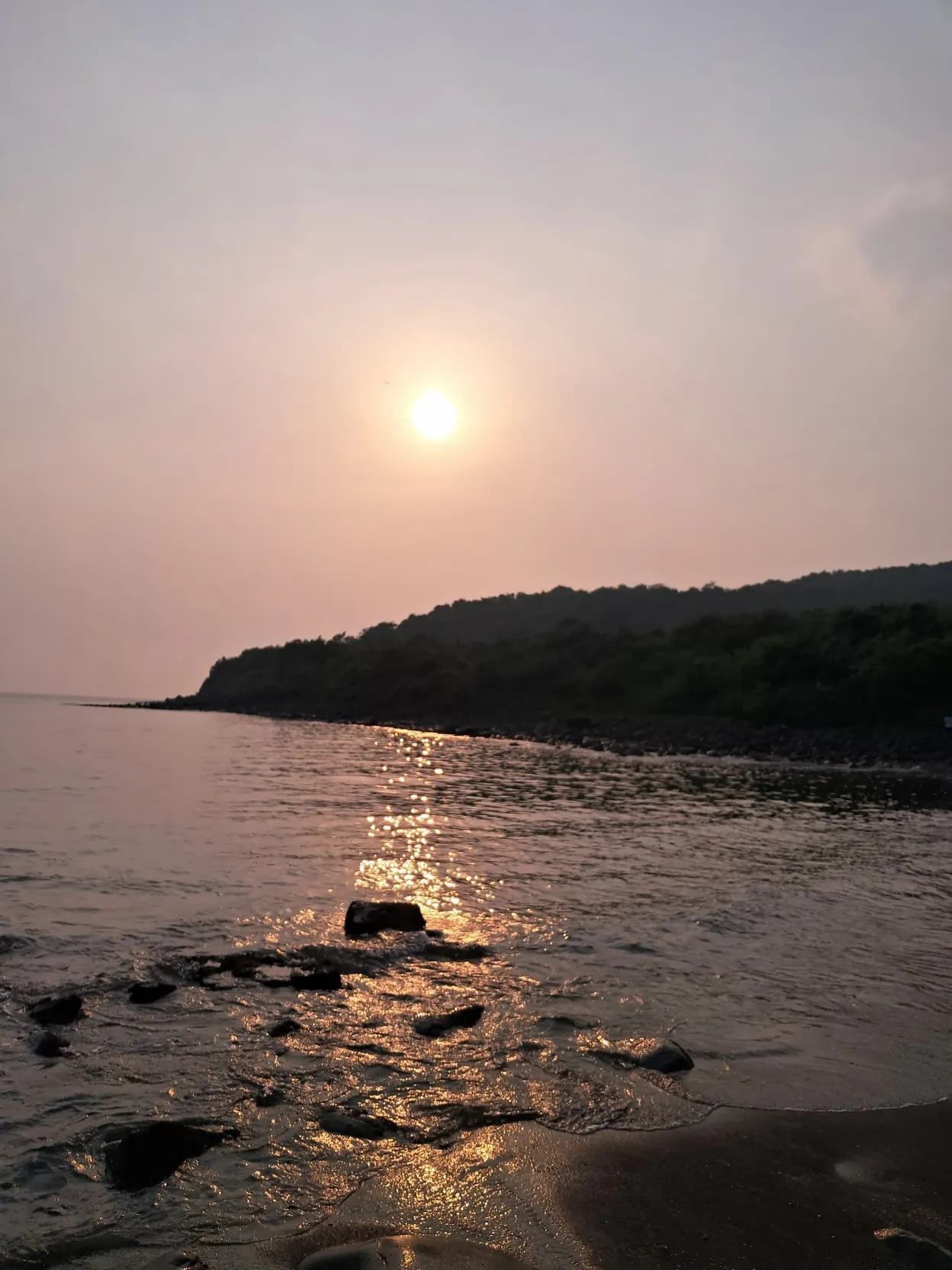
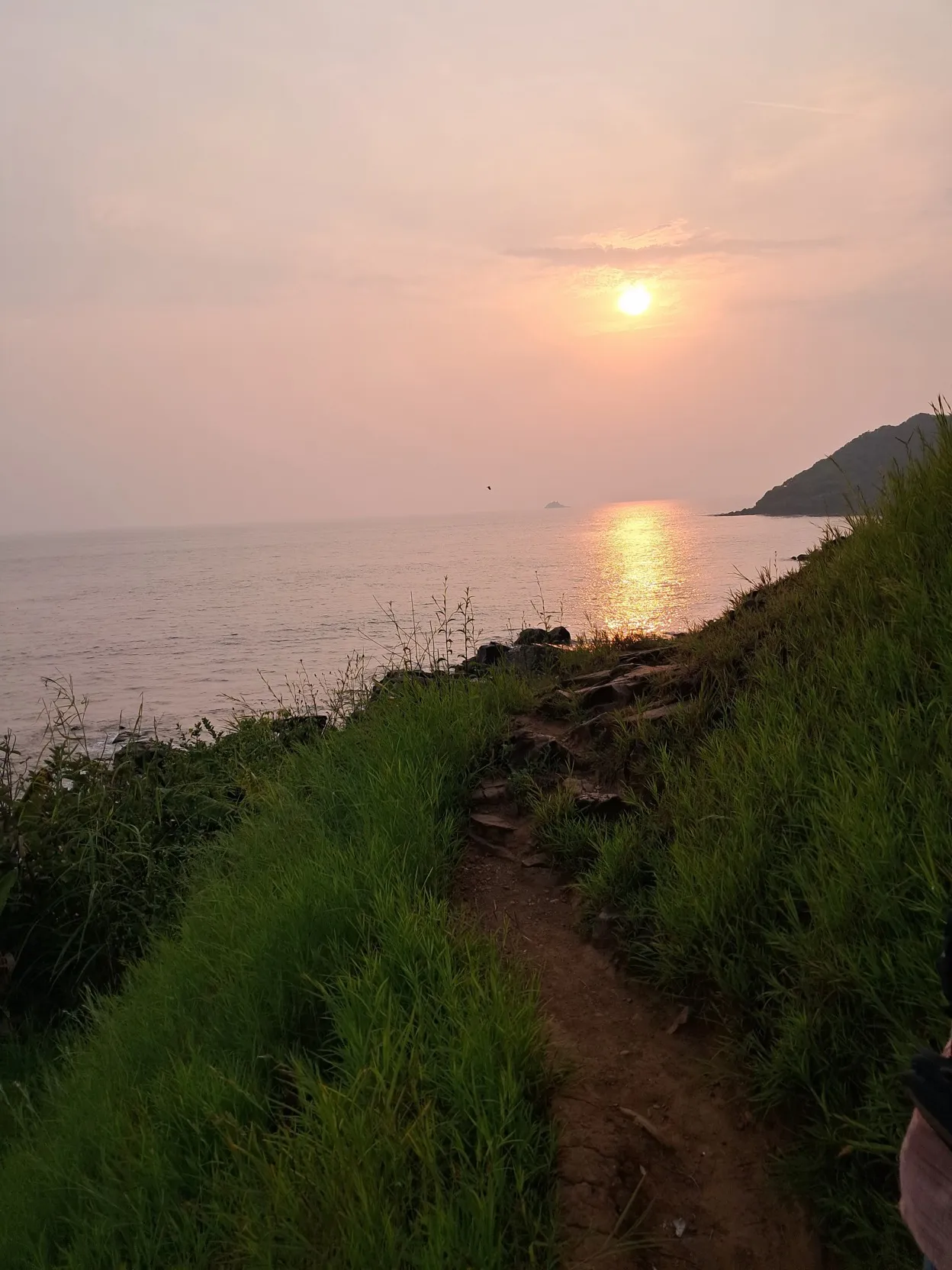
Thereafter we headed towards Goa. The road surface was much better on the Goa side than in Karnataka, though it was only two-lane in stretches. Used to potholed roads back home, we found Goa a stark contrast, with clean markings and no unscientific speed breakers. Traffic was disciplined too, which might have something to do with stricter enforcement, as I hear.
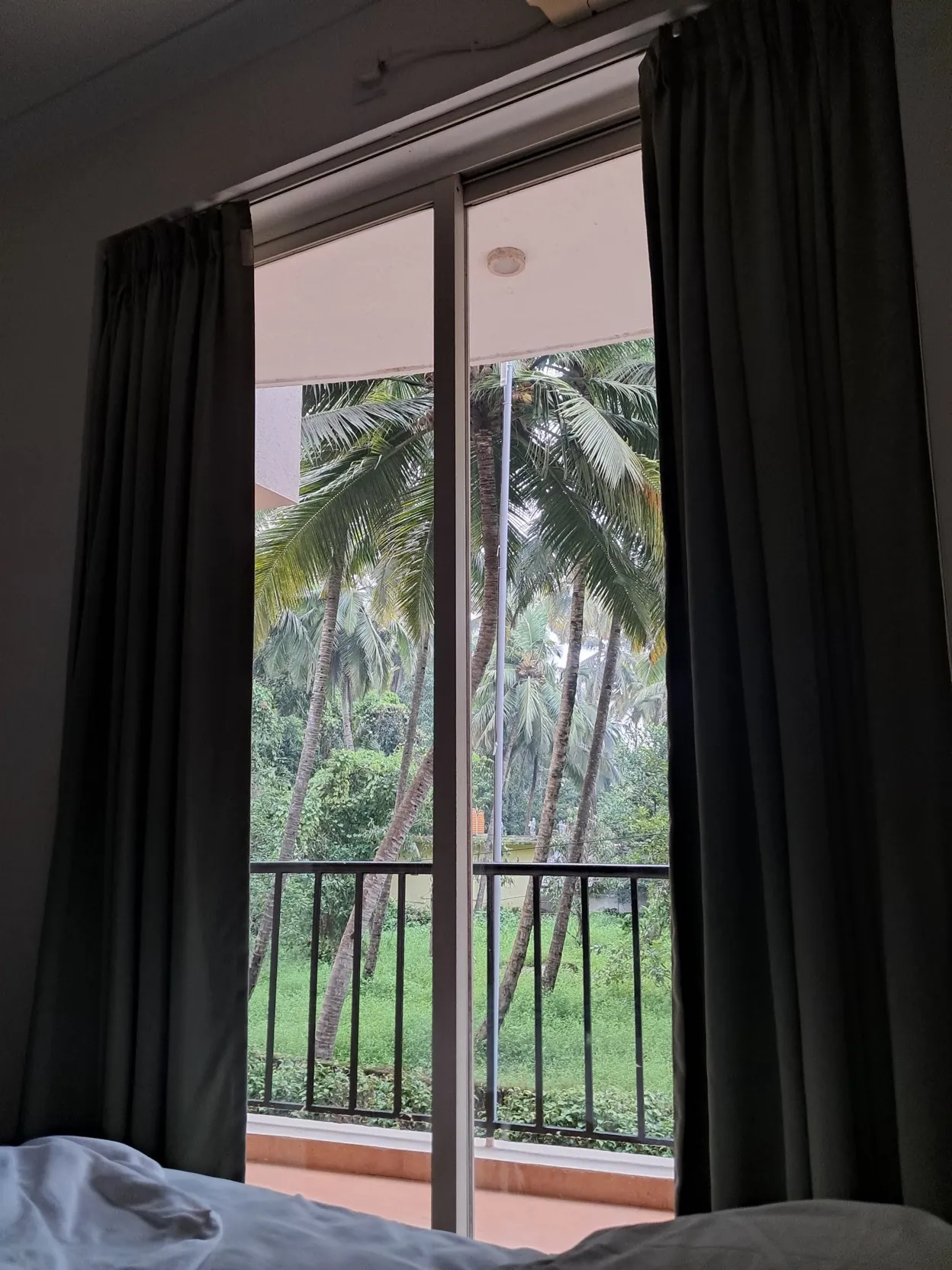
We reached our service apartment, Treehouse Blue, at Majorda. To give a bit of background, I prefer chain hotels, but the food is mostly hit or miss, especially with kids. I thought of trying Airbnb but didn’t muster the courage, mainly because of doubts around host friendliness and facilities such as power backup. So we took the service apartment route, a first for us, and it didn’t disappoint. The 1 BHK and the overall complex were well maintained and the staff were great. We could also cook our own food, with a kitchen stocked with utensils, an induction cooktop, a refrigerator, a toaster and a microwave.
🔗Day 2: Fontainhas, Mapusa and Houses of Goa
We started at Fontainhas and the painted bridge. The drive on Goan highways was a pleasure, and no wonder people make Fontainhas a destination to click rich photographs. We found a parking spot in a corner and began walking around. People paid no heed to the “private property, no photographs please” warning signs and were busy clicking. After some customary photos, we headed to the Mapusa market. I wasn’t sure what to expect there, but many reviewers called it a must visit. We found it to be just another crowded market with people going about their routine shopping. Honestly, I did not find it any different from the central market or market roads in South Indian towns! Adding to our woes, Google Maps took us around in circles even when direct U-turns were possible, and we ended up crossing the Mapusa area multiple times.
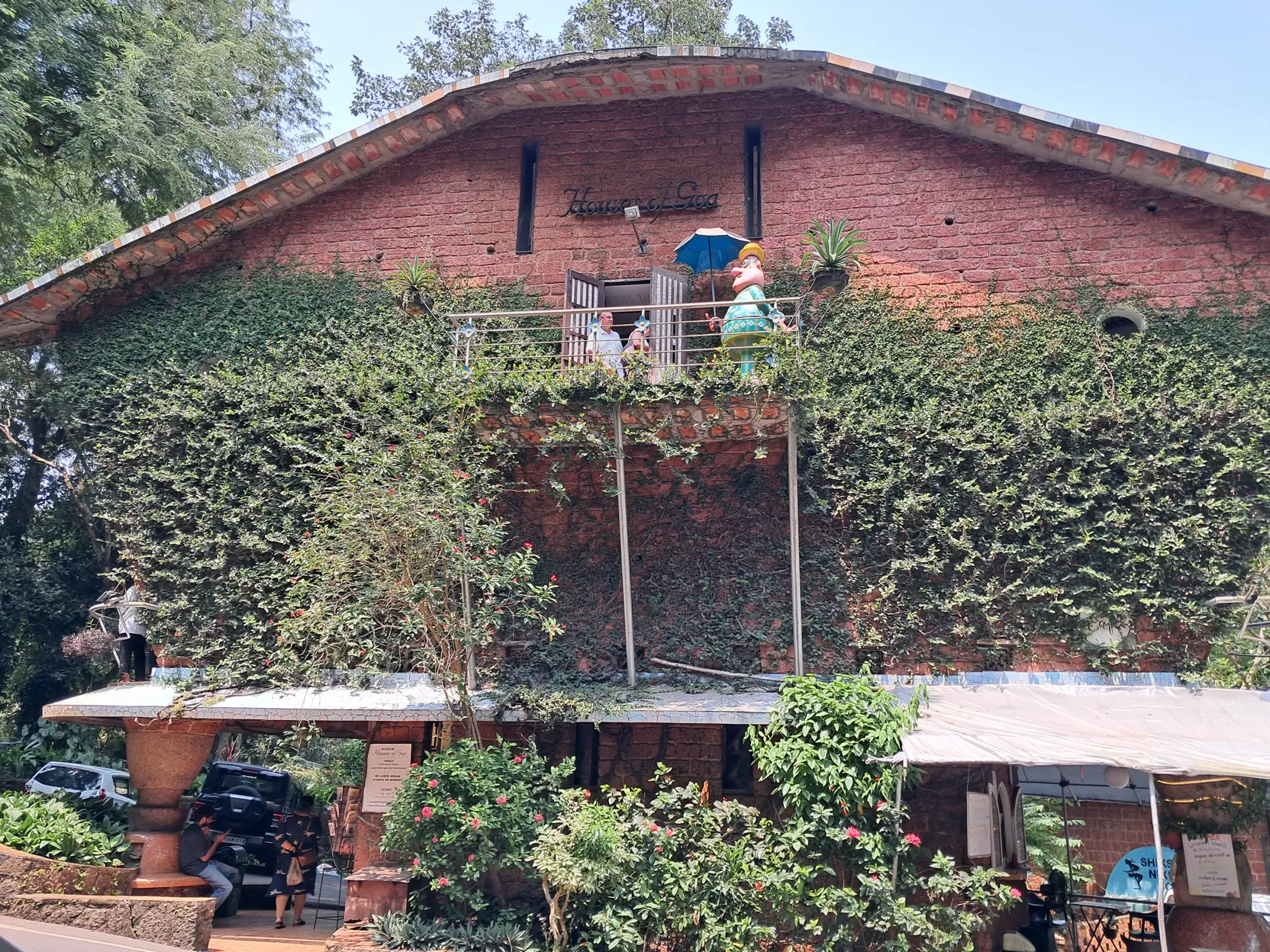
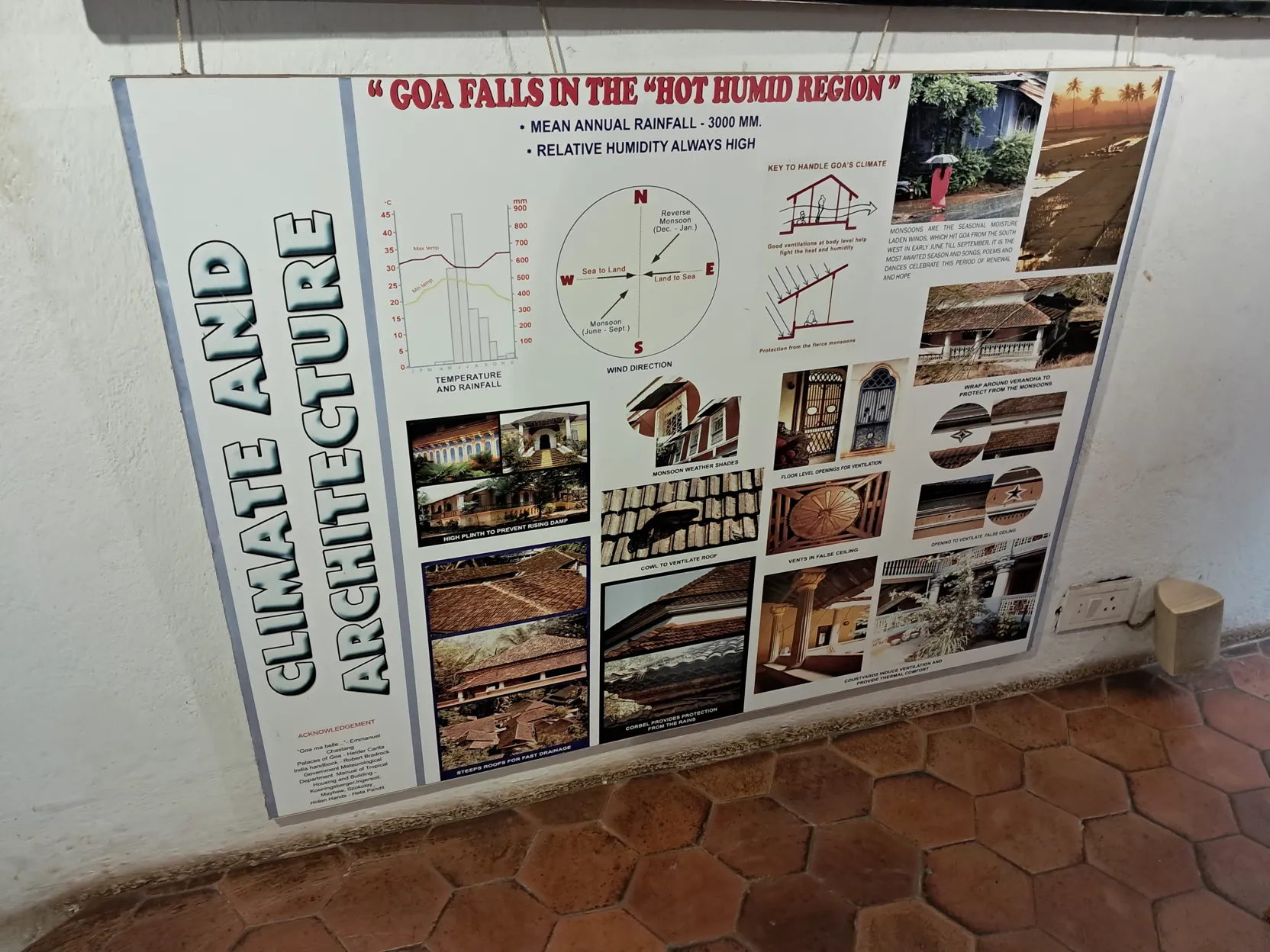
Next was the Houses of Goa museum. The roads leading to it were scenic and the place itself looked nice. Adult tickets were ₹150 per head and child tickets ₹50. Each adult ticket came with a ₹50 coupon that could be exchanged for a discount on food or on an item from the art gallery. Built with laterite stones and red oxide flooring, the museum was cool and pleasant inside, and the green surroundings helped too! Inside, the first floor sets out Goa’s history and its links to the wider world, the second holds salvaged heritage pieces such as carved wooden doors and ceramic tiles, and the top level is an open space with views of the surroundings.
Hungry by then, stellar Google reviews led us to Dwarka Pure Veg Restaurant at Calangute, Goa. The experience was horrible as their standards in terms of food and hygiene were very low.
Next we headed to Chapora fort, which again turned out to be a disappointment. Parking was far away thanks to crowd and the fort itself was poorly maintained. Reviews that were months old indicated restoration in progress and the situation on the ground indicated the same. Beach views from the top were good but that was about it. The steep uphill walk exhausted most tourists, and we heard people say “isme dekhne ke liye kya hai”. So we were not alone!
Next was the Anjuna Flea Market. Google Maps took us through a narrow lane around the market to the other end, while the market was visible from the straight road. Sometimes I wonder if it’s a trick by vested interests like the parking lobby to bring users to their parking lot. The parking fee set us back by ₹100, and we did not find anything special in the flea market, despite the hype from influencers.
🔗Day 3: Netravali and the forest route
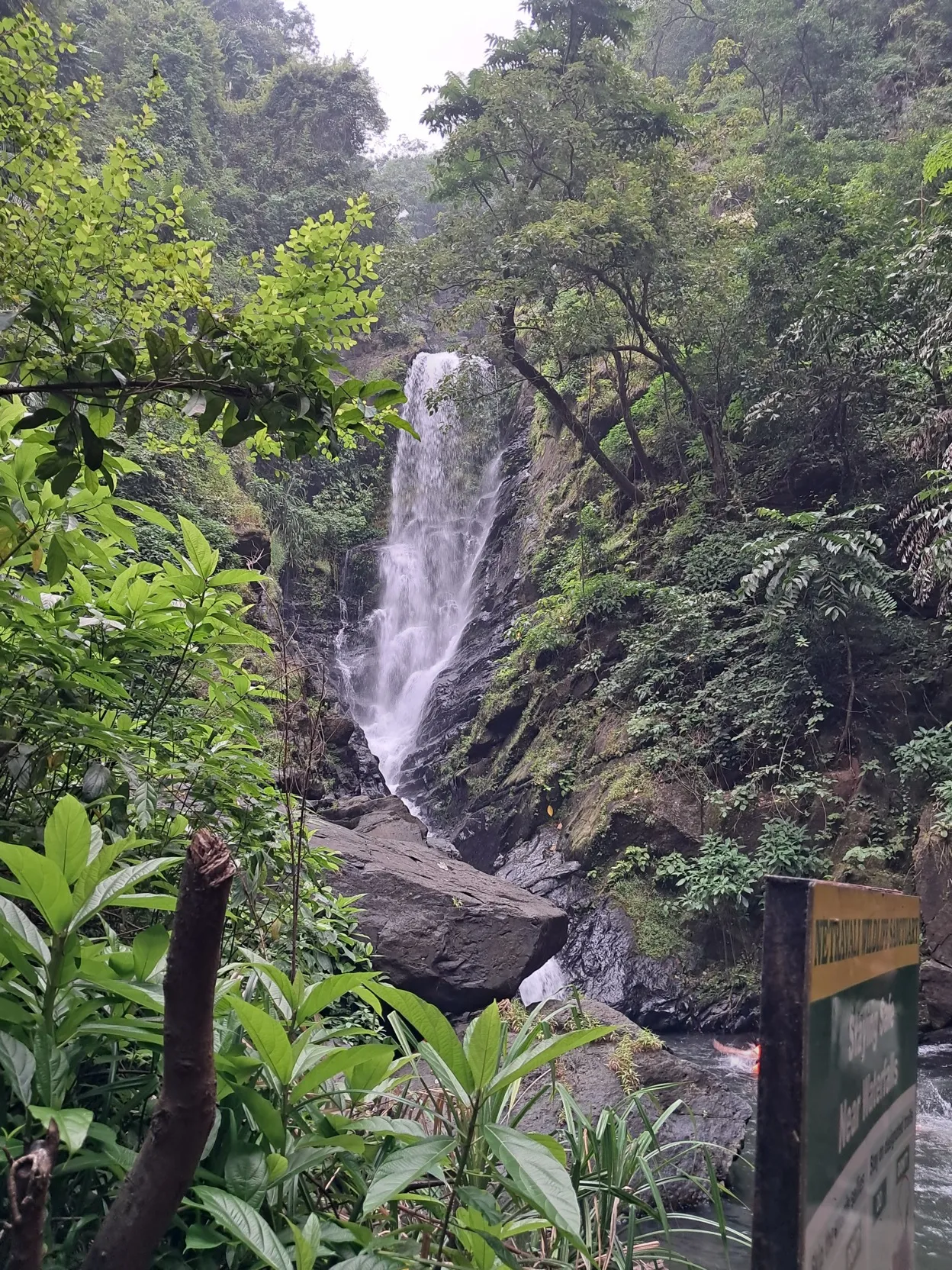
Day 3 gave us an opportunity to experience rural Goa while going to Netravali Wildlife Sanctuary. The forest route was beautiful and we couldn’t stop appreciating the well built roads. Being a forest, my Jio network turned patchy and kept complaining about lost GPS signal. My secondary number is BSNL and that offered LTE and H+ closer to the wildlife sanctuary making navigation easier. This became more important when visiting the bubbling lake and then heading to the sanctuary for waterfalls. It was a delight to see water bubbles rise from the bottom in a clear lake. However, we did not see any correlation between clapping our hands and bubbles rising (as some online reviews claim). The bubbles were coming naturally.
With the forest department celebrating wildlife week, entry was free while life jacket deposit had to be paid at ₹40 per head. This was non-negotiable even if we said we wouldn’t step into water. We chose to drive instead of trek to the Savri waterfall. This required only 1 km trek after parking the vehicle whereas others required 3+ kms. We enjoyed the walk and appreciated how the Govt had built stairs right to the bottom of the waterfall where one could grab a life jacket and play in water. It still pays to have a BSNL number when traveling to remote places!
We had learnt about the possibility of reaching a strawberry farm by passing through the forest route. However, the guards mentioned that this is not the season for strawberries. They would be found in winter, more like Nov/December to March.
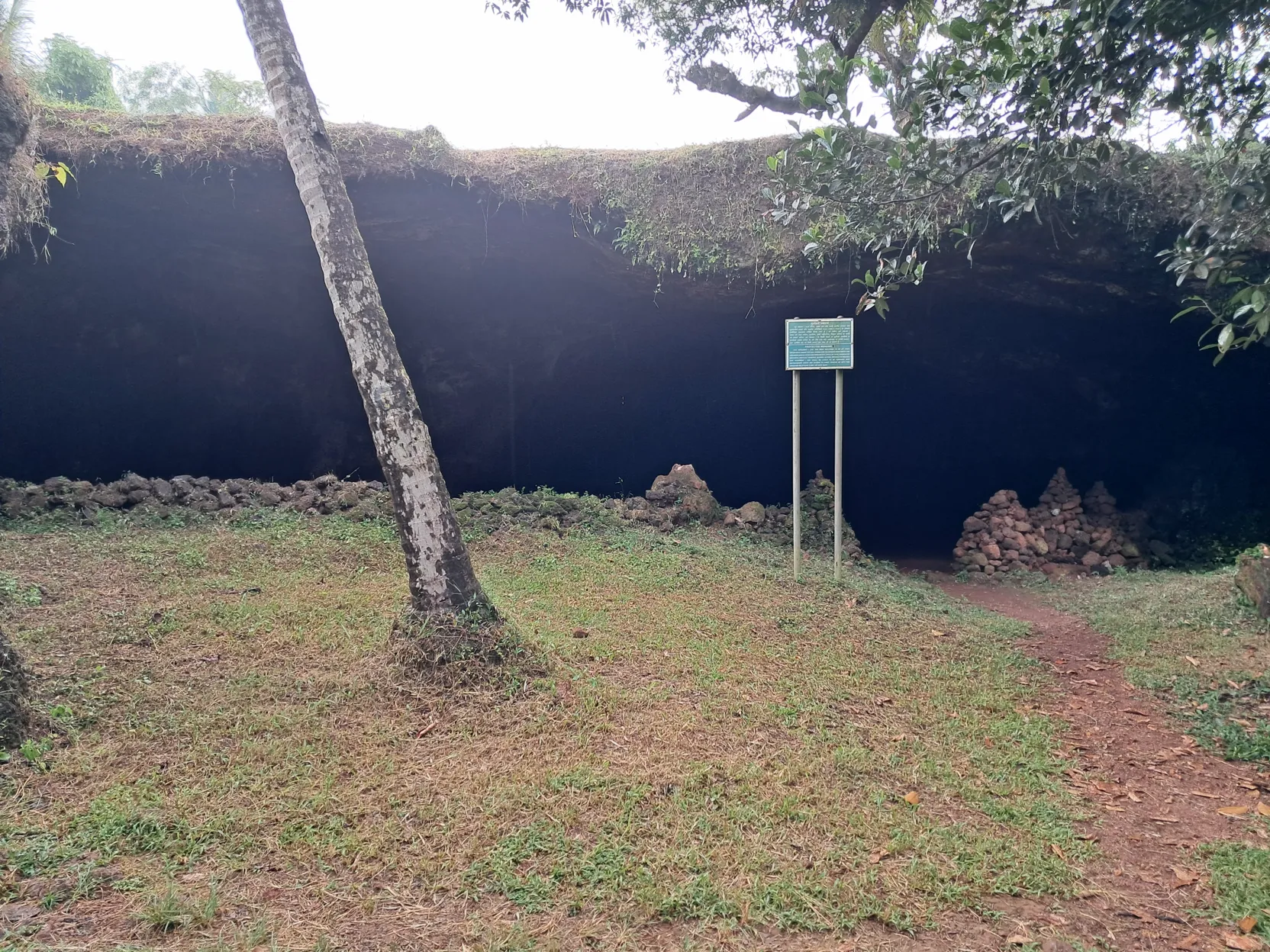
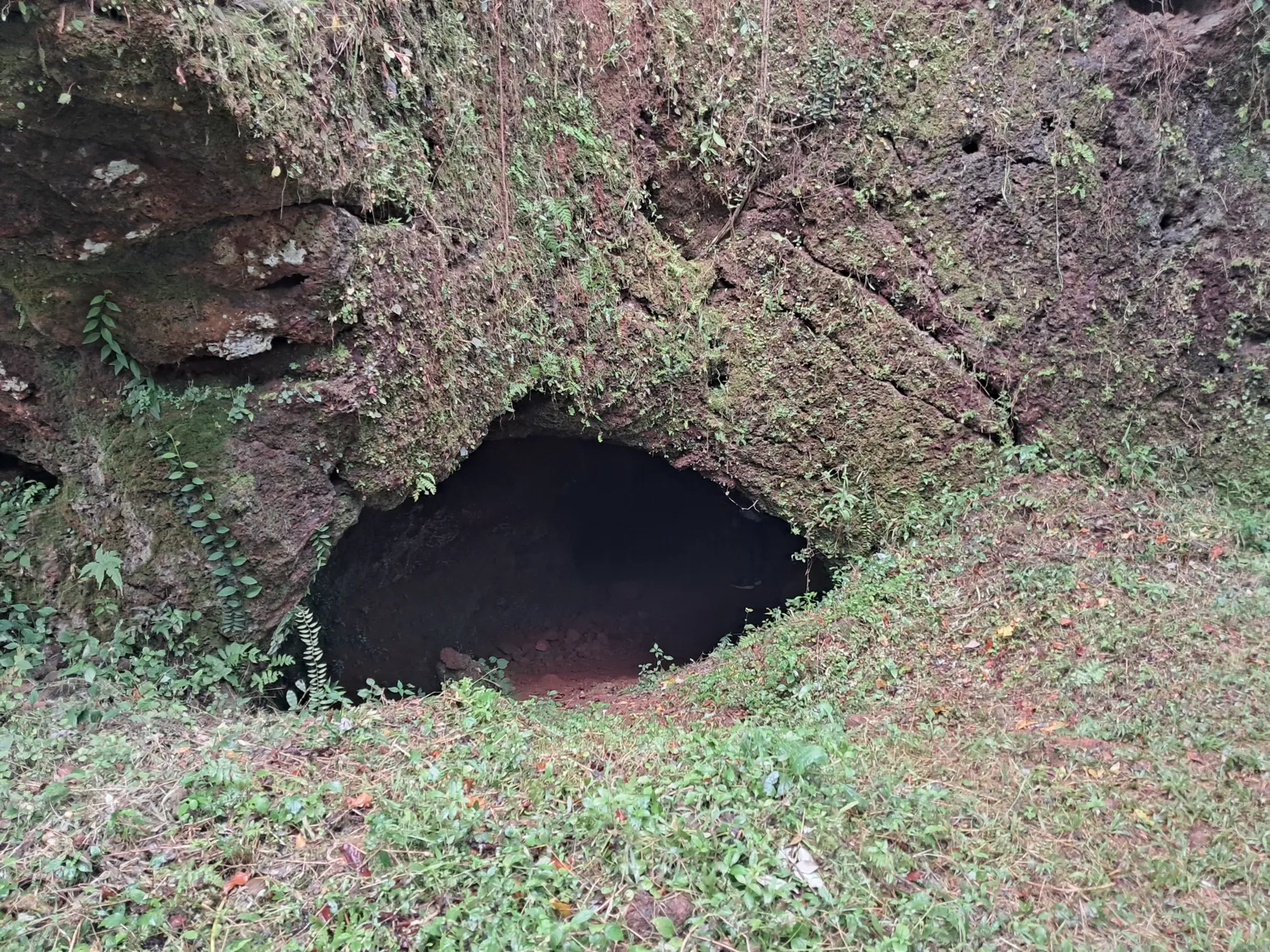
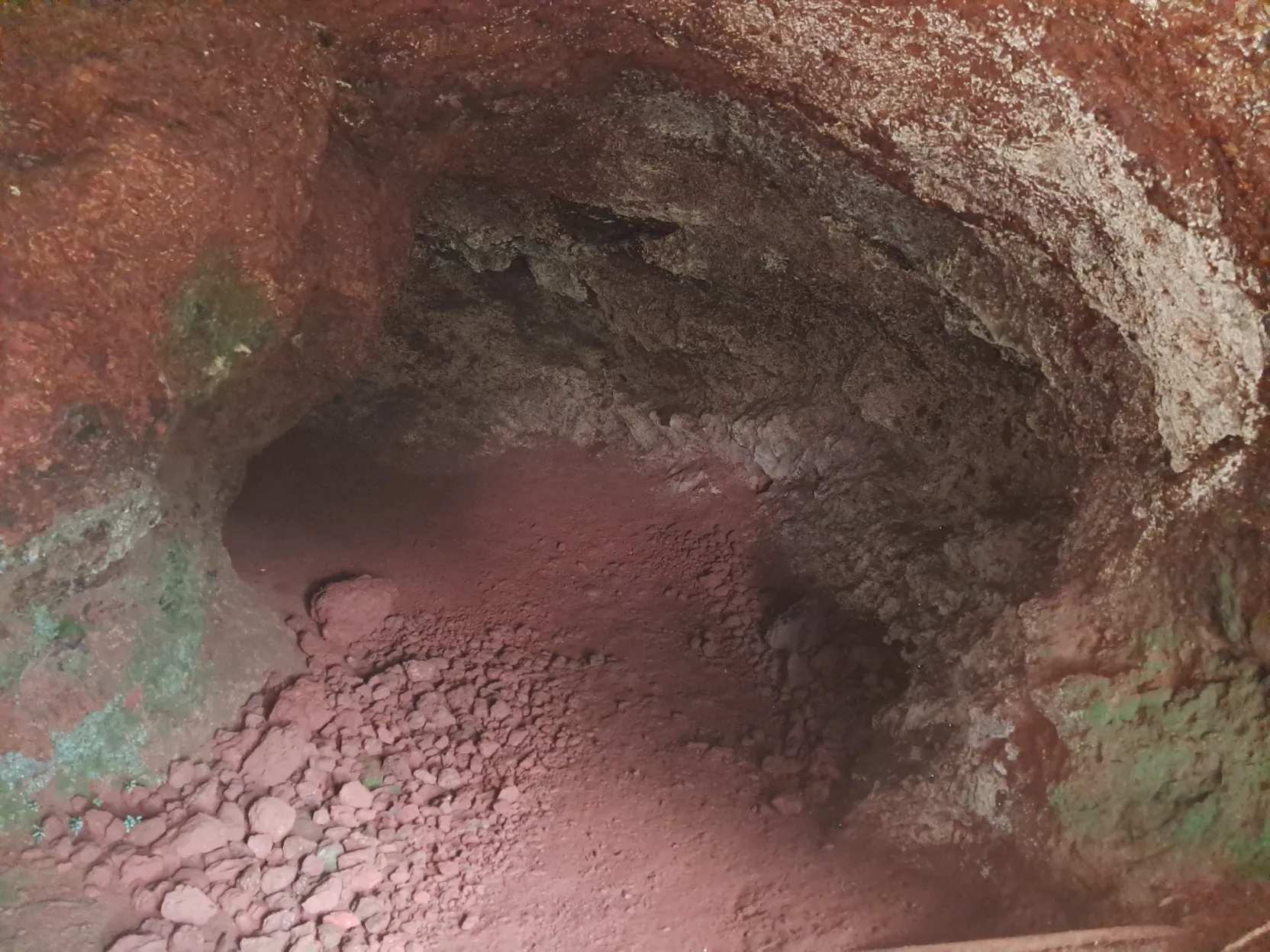
On the way back, we went to Rivona buddhist caves. While we were expecting some sort of a tunnel that wasn’t the case. The visit could be concluded in less than 10 minutes. Undoubtedly good place to check out but if you make a 40 km trip just to see the caves, you are likely to be disappointed!
Then we headed to the spice garden aka Sahakari Spice Farm. It was an unbelievable sight, perhaps due to the fact that arecanut plantations are plenty in our region to see people clicking photographs against arecanut tree backdrop. Our idea was to purchase some spices but it turned out that the store is inside the ticketed area which costs ₹500/head which also includes food. We felt it was too pricey even with a guided tour since we are not strangers to this kind of plantations. Headed back to Japanese Gardens. The route took us through industrial area of Goa where we could see multiple factories such as those of IFB and many pharma units. Unlike crowded tourist beaches, the Japanese Garden had local vibes. The garden sits inside the Mormugao Port Trust colony, with staff quarters all around, and the locality took us back to the 90s.
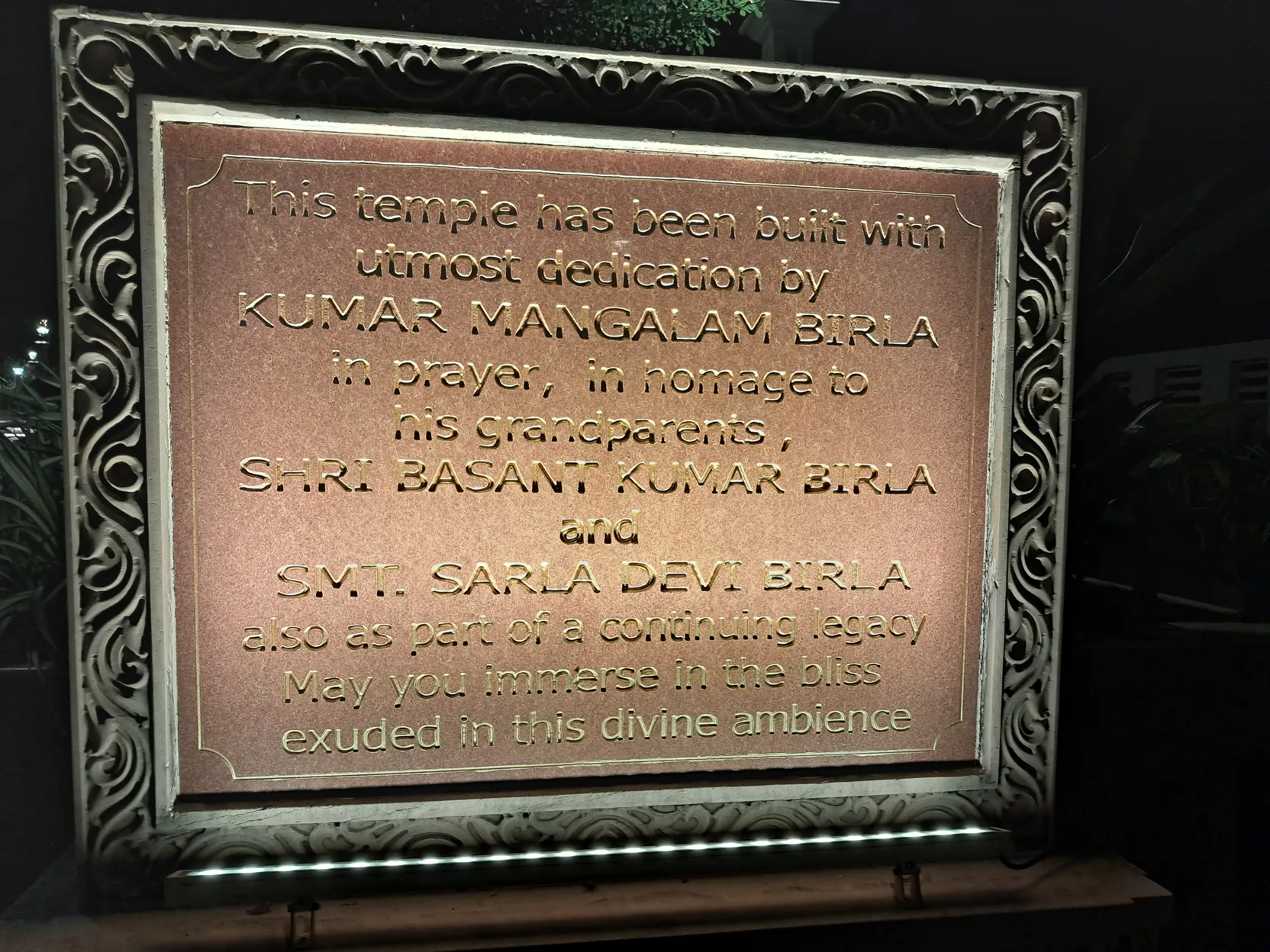
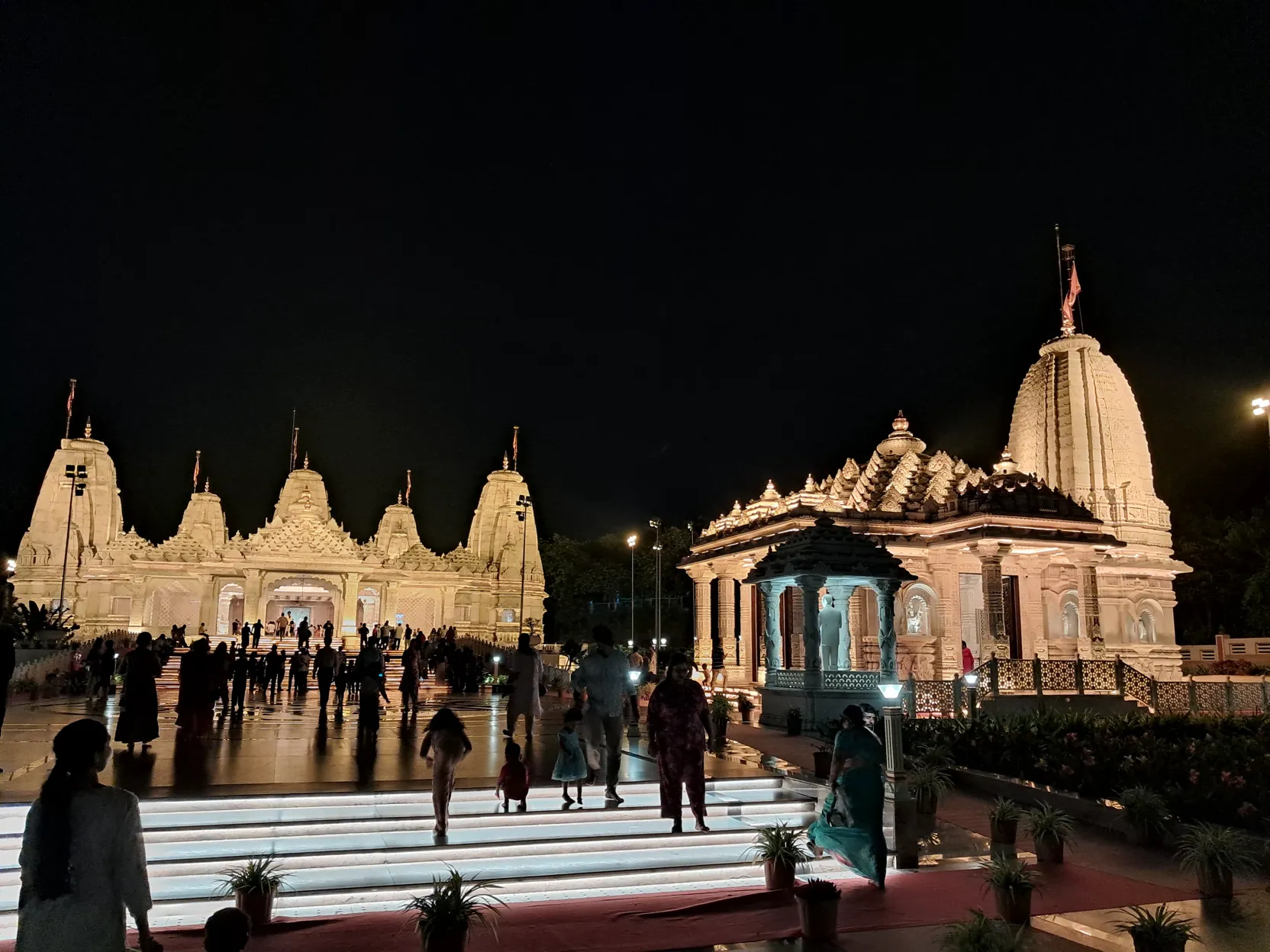
As it turned dark, we drove to the Birla temple. It was a magnificent sight and the evening air was cool and breezy. Offered prayers, spent some time around in the well maintained gardens and headed back to our stay.
In this duration, we felt that Goa does not have as many supermarkets as it must probably have. There are hardly any Smart Bazaars or D-Marts!
🔗Day 4: Fort Aguada and the Science Centre
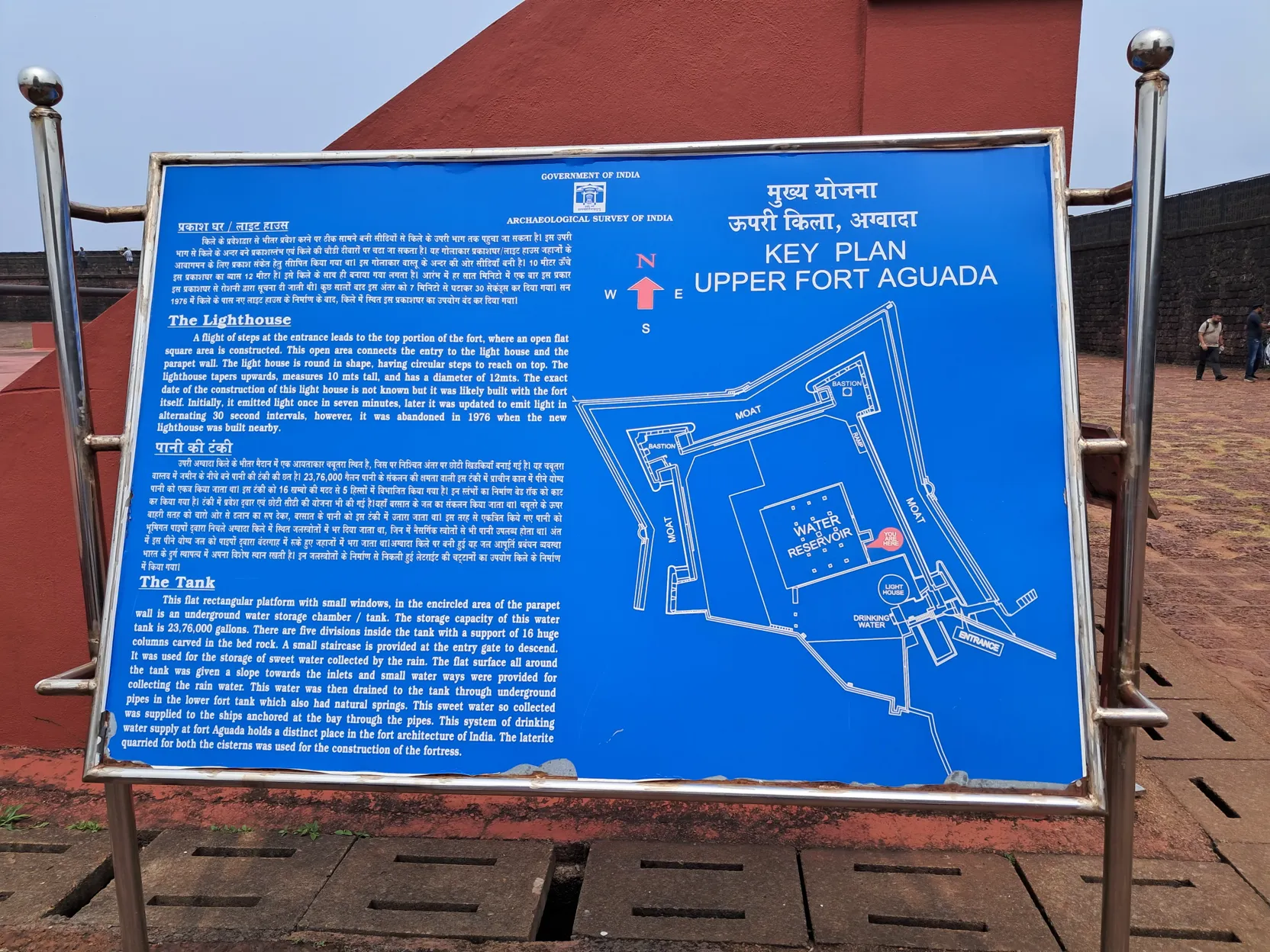
We headed to Fort Aguada after breakfast. The experience here was significantly better. We specifically visited the upper fort that contains a lighthouse and rainwater harvesting reservoir, and the Lower site, which houses the Port and Jail complex. We headed next to check out the jail museum and the site looked great from the outside itself. Apparently well maintained! However the tickets at ₹300/adult put us off and we headed back clicking some photographs of the scenic destination.
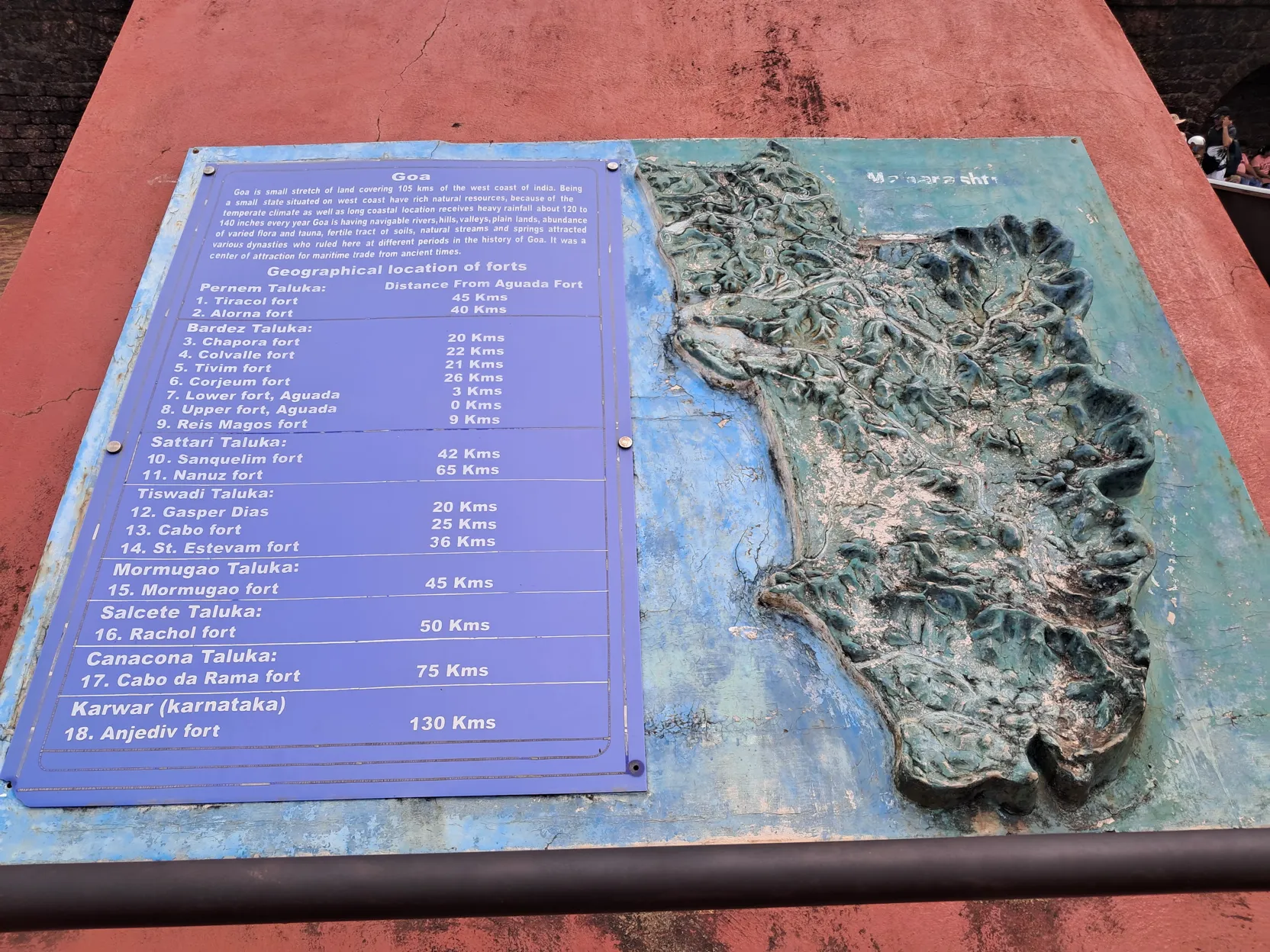
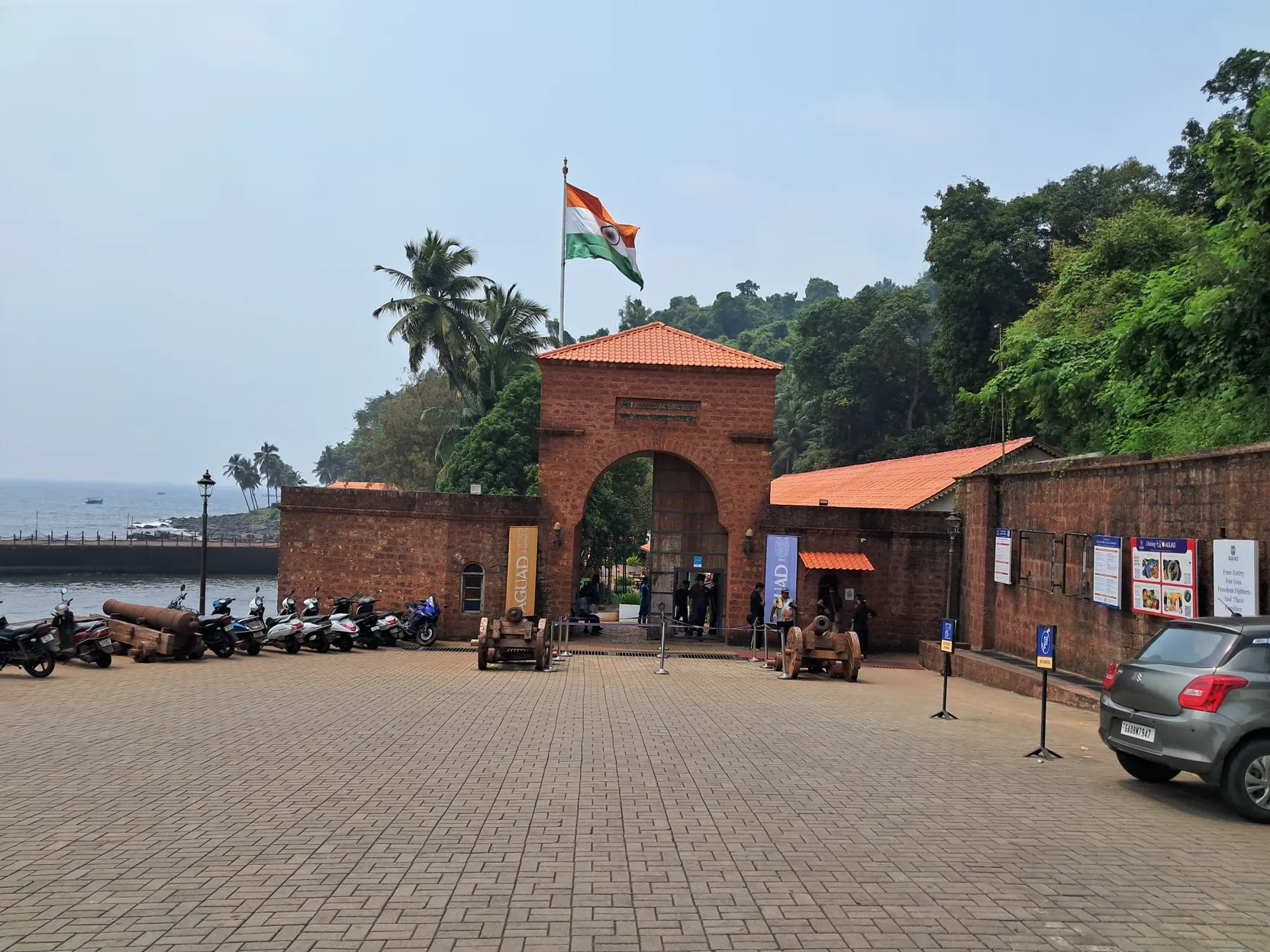
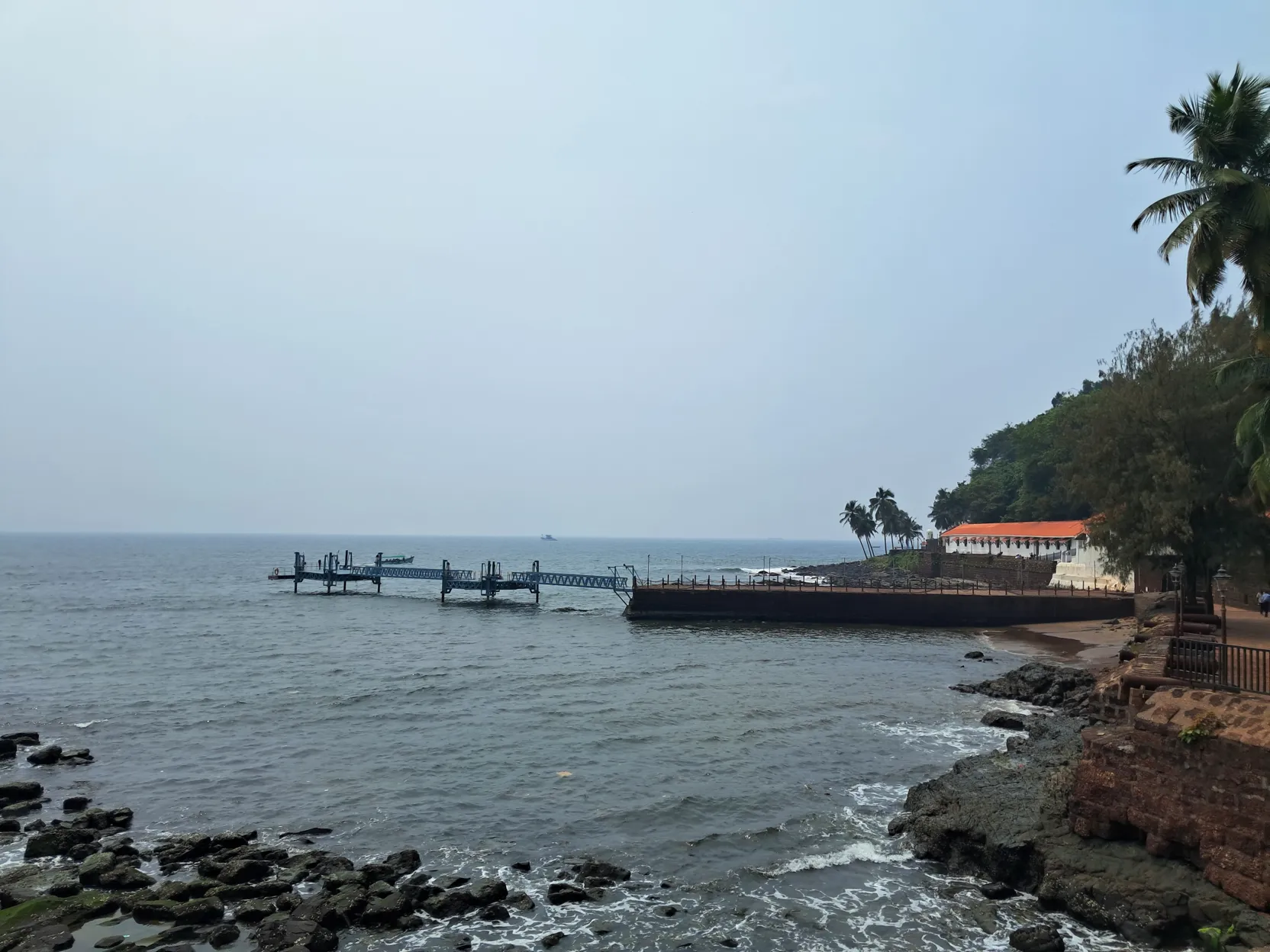
While on the way to Aguada via Candolim, we had noticed a good number of pure veg restaurants. Therefore we returned back to have our lunch at Navaratna Udupi Pure veg restaurant. While the service was slow, the food itself was decent.
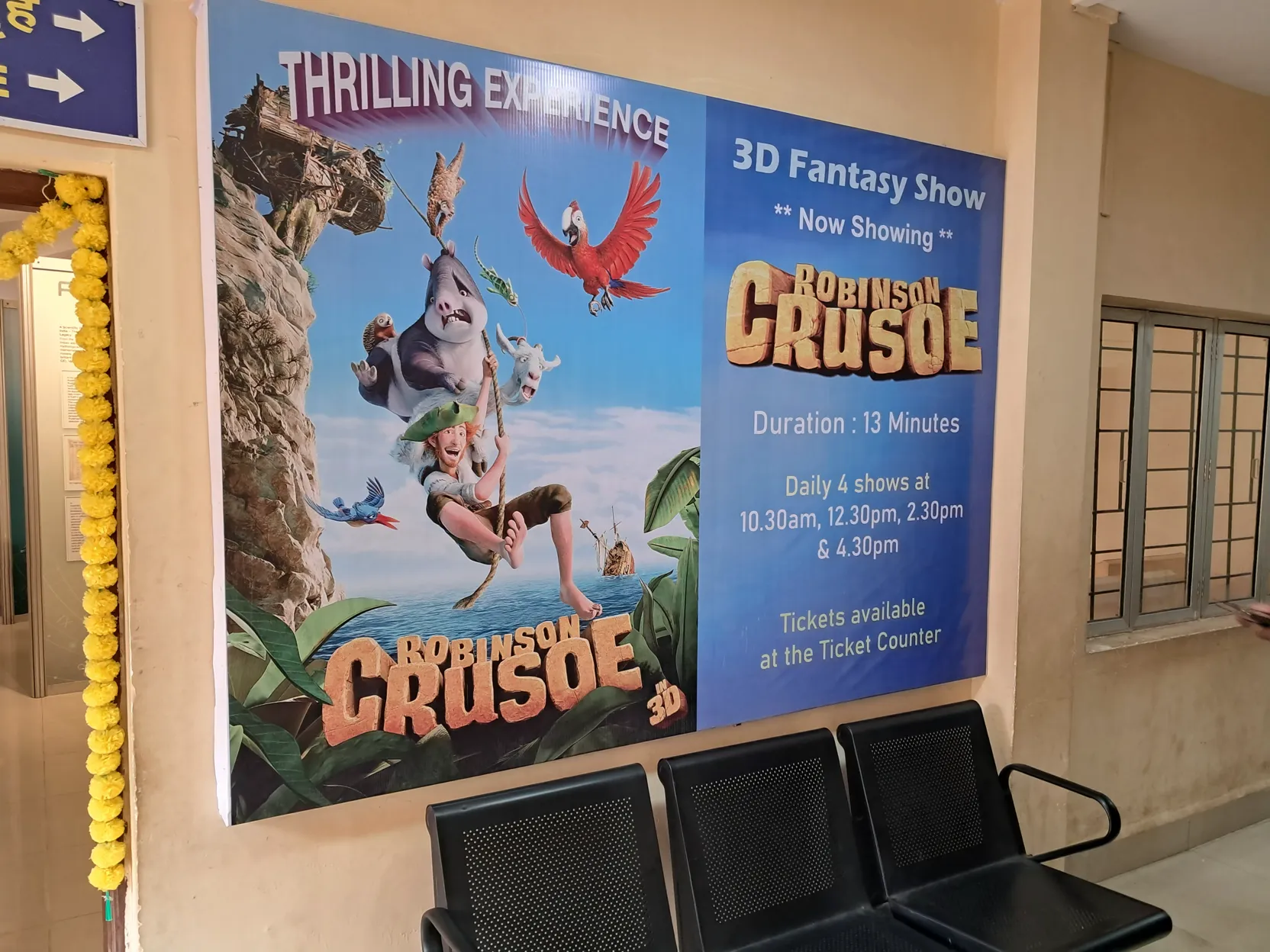
Next we headed to the Goa Science Centre and Planetarium. The science centre has many hands-on exhibits related to physics, space, energy, and everyday science concepts. While old, they are still functional and we saw visitors enjoying experimenting and interacting with the displays. We were lucky to reach the centre just before a 3D show was set to begin and the security ensured that we got timely entry. It was a first 3D show we watched and we thoroughly enjoyed it. Our toddler was scared at one point given the realistic experience. I must add that it was just a part of the actual movie!
We could also catch the Taramandal show. It was about the significance of sun but it felt like an old recording offering namesake experience. I wish the show duration could be extended to add more information. Again, it was a first planetarium experience for us.
With time to spare, we headed to the Utorda beach close to our stay. Being in a rural area, the beach was clean and we spent quality time there until sunset.
🔗Day 5: the drive home
We went to the Naval Aviation Museum that we couldn’t cover on Day 4 since it is closed on Mondays. Unlike the one at Karwar, this had multiple naval aircrafts on display and detailed information boards. Visitors are also allowed to walk into a defunct aircraft and sit in a helicopter cockpit. There is also a small theatre where a short documentary and a video song are played at hourly intervals. The videos are inspiring, but in my opinion more could be done in that direction, with a longer duration and more content. As of now, it runs only about 10 minutes!
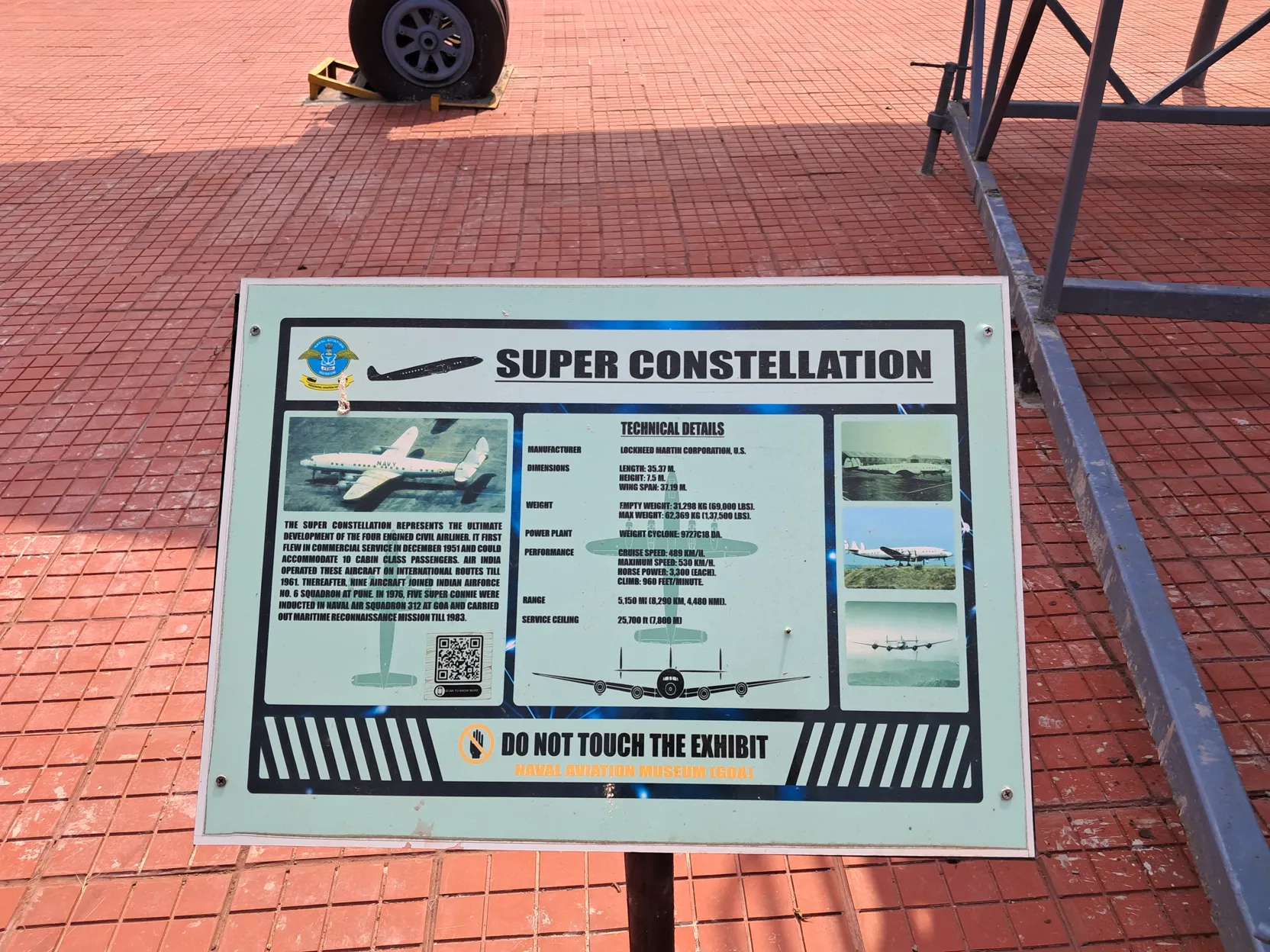
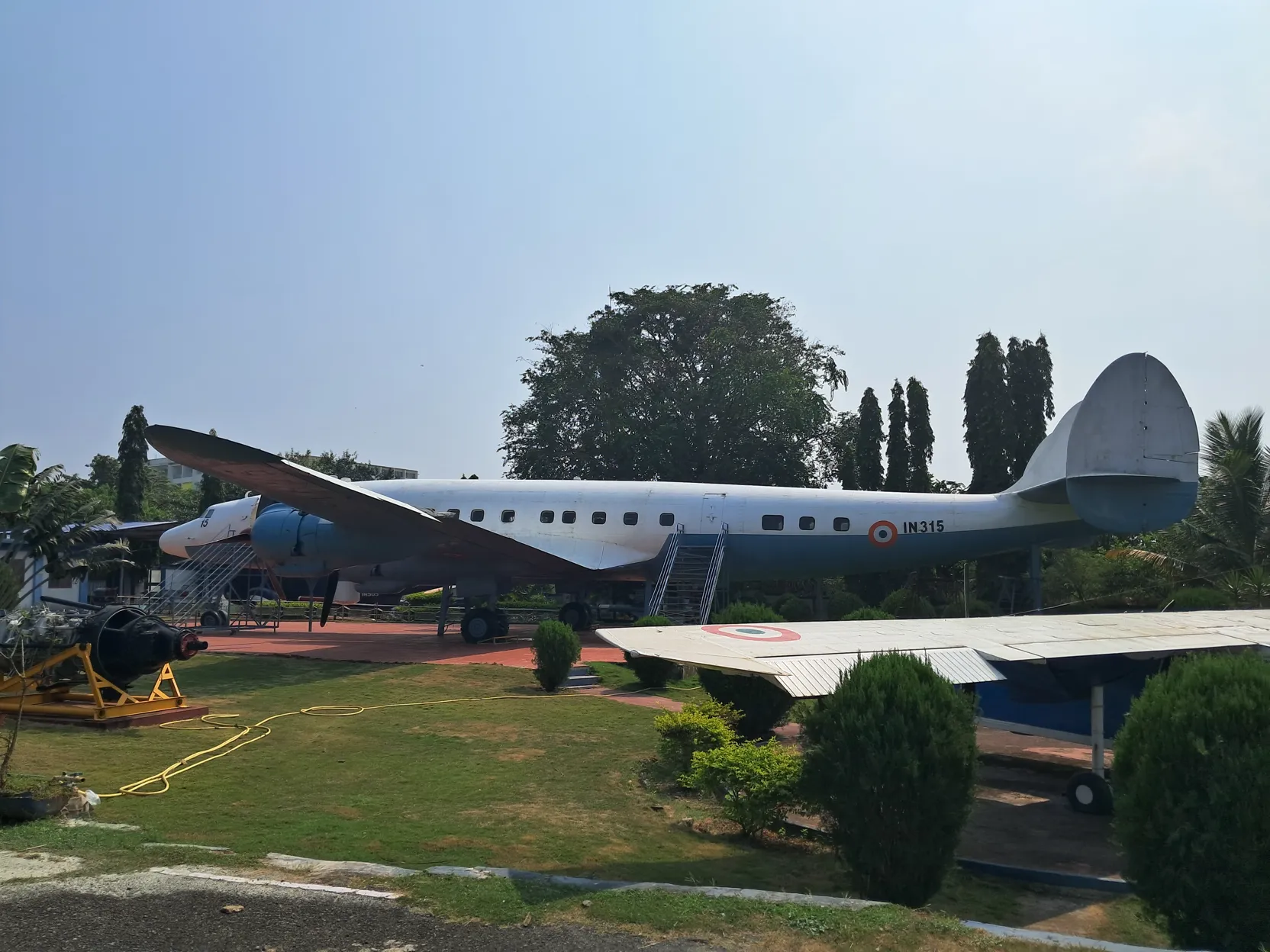
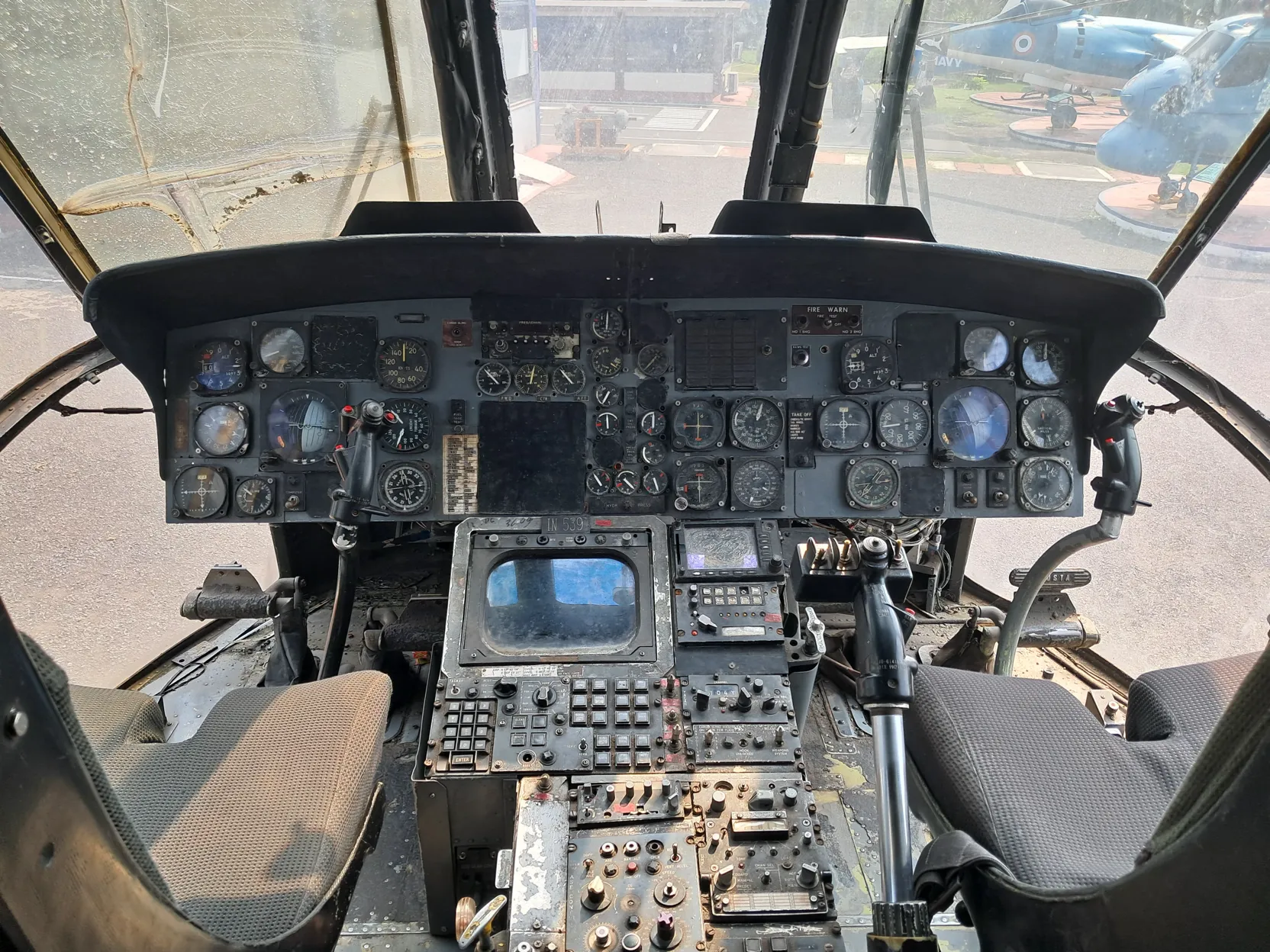
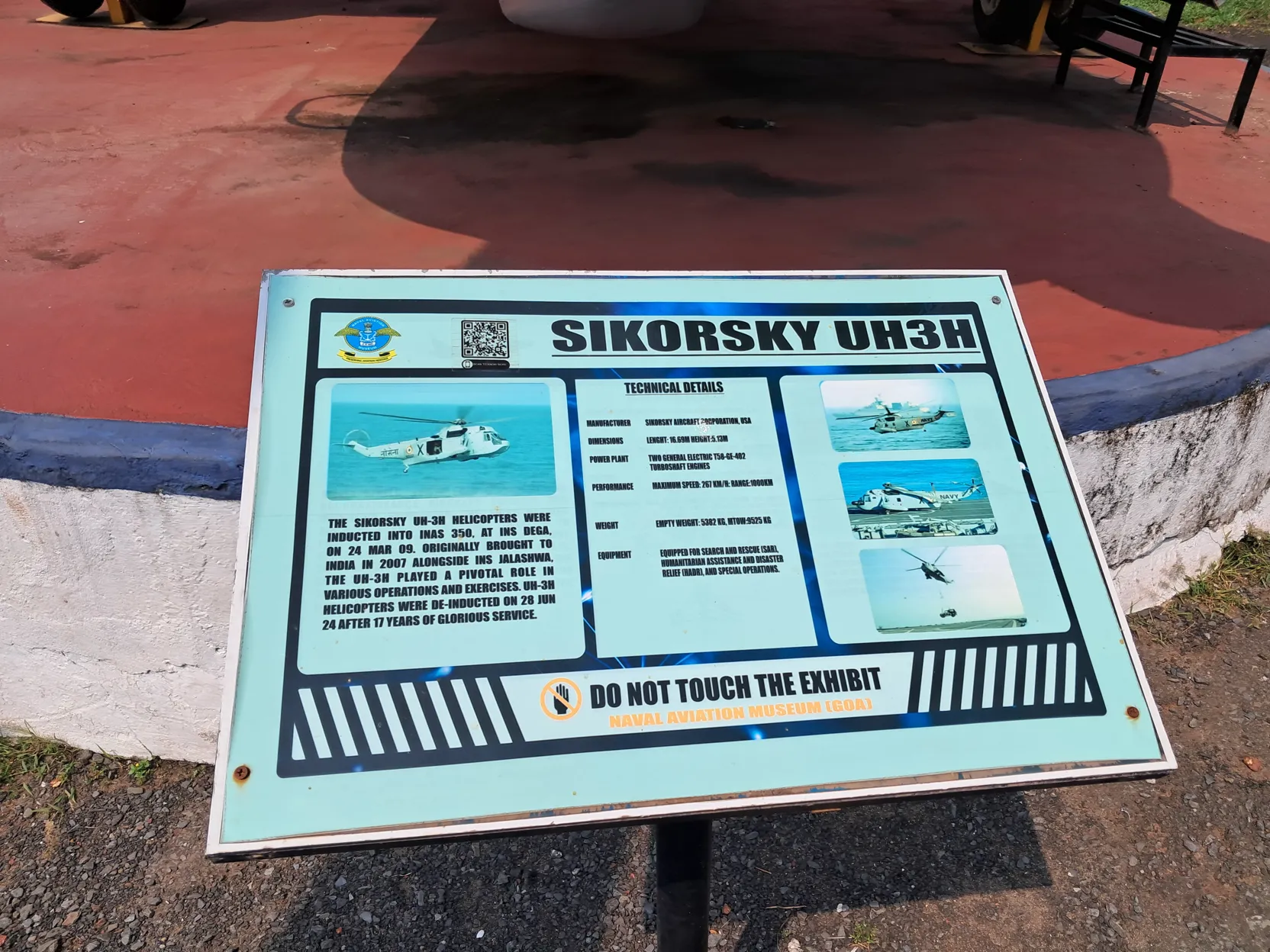
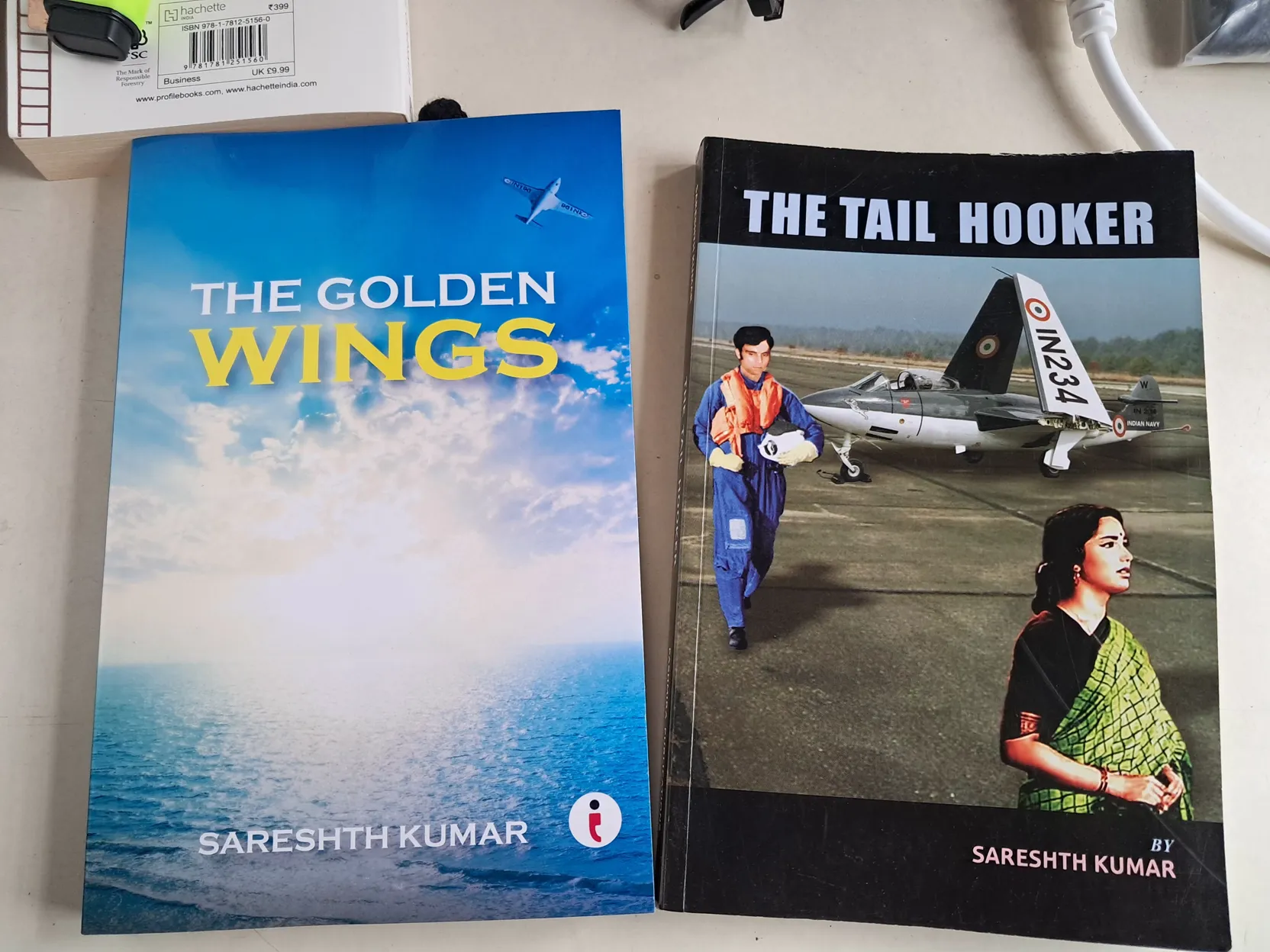
The museum also has a souvenir shop with items like t-shirts, coffee mugs and mobile stands at reasonable rates. We picked up two books there.
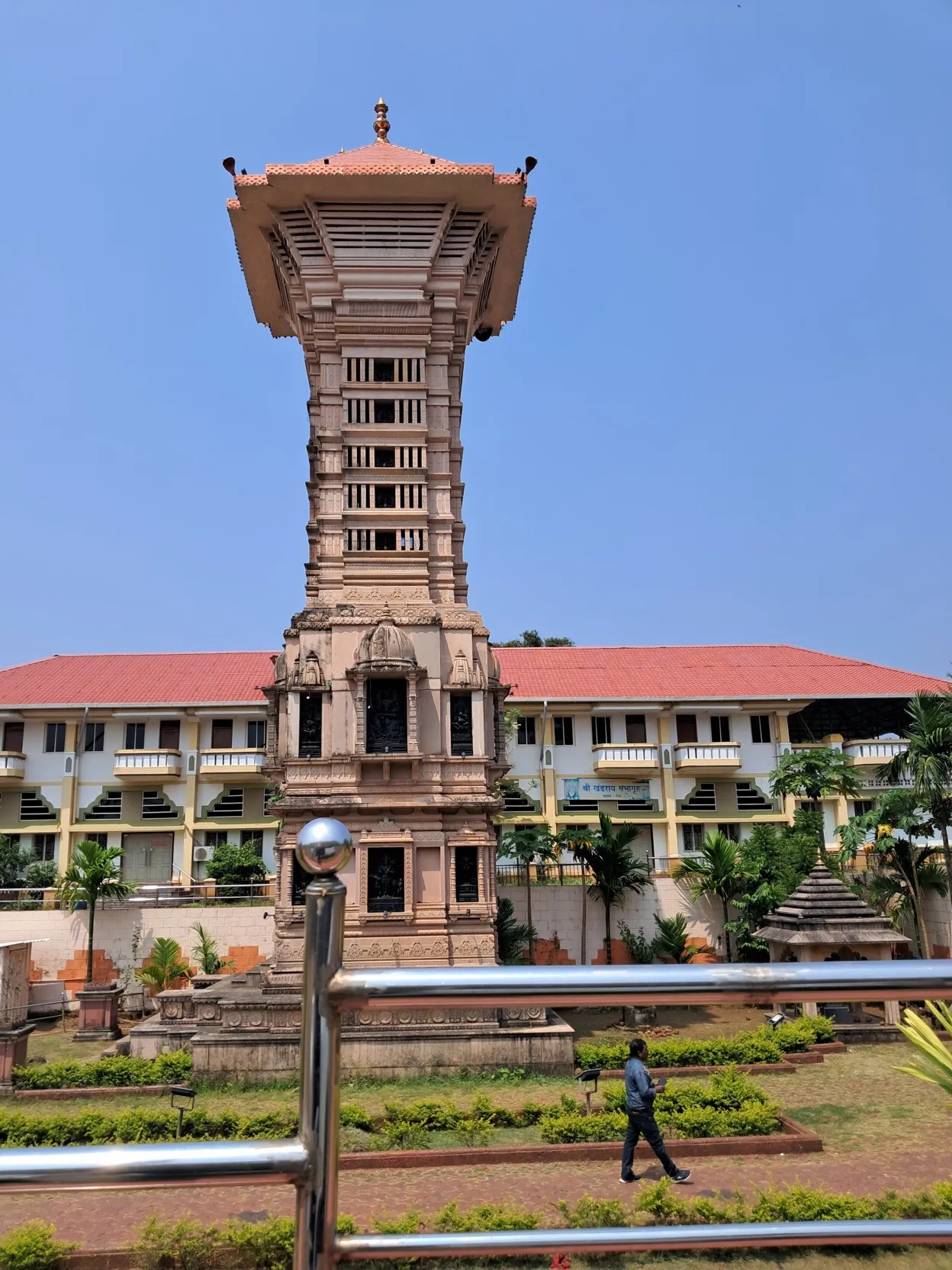
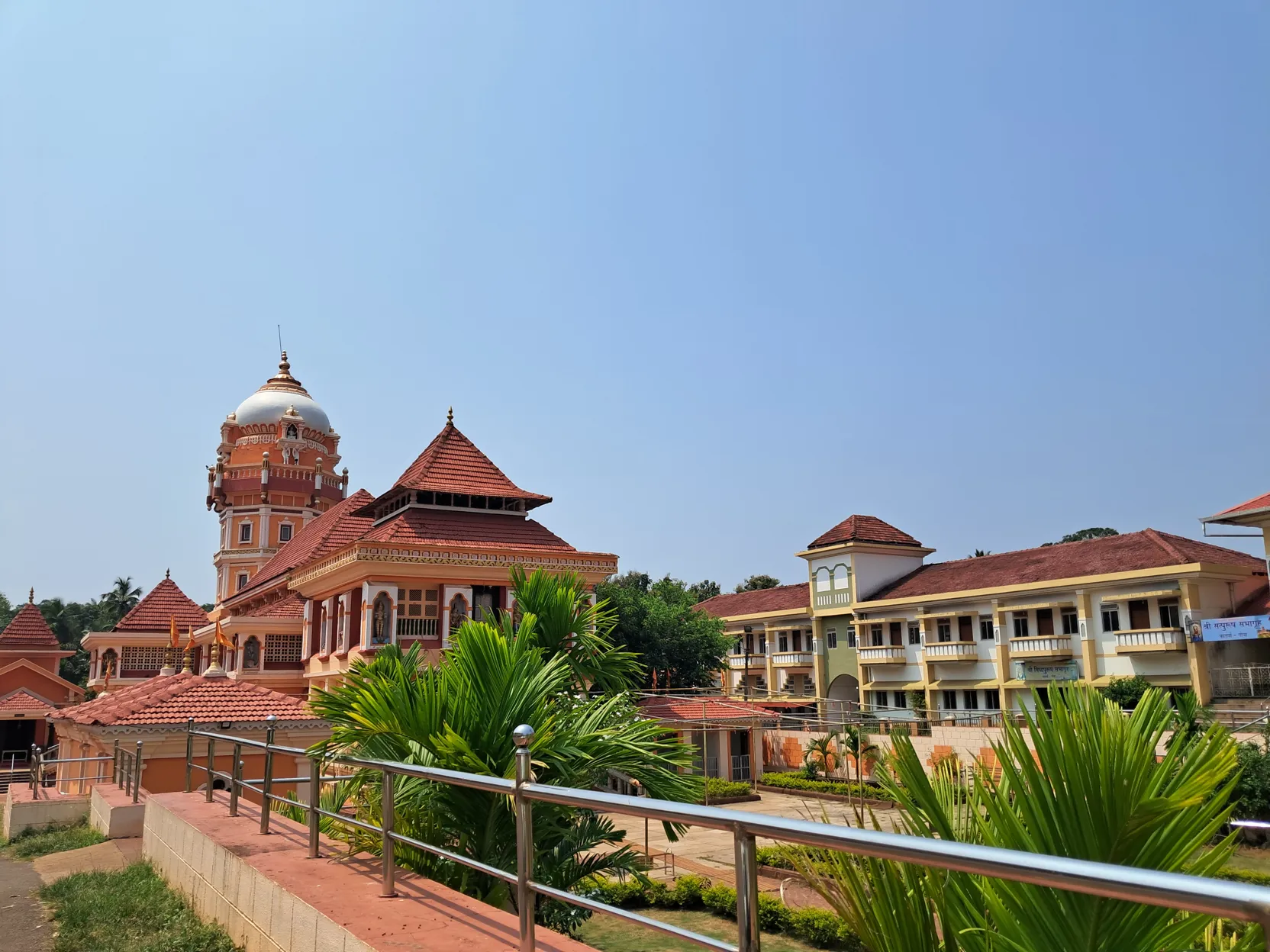
On the way back we visited the Shri Shantadurga Kunkallikarin Temple. We had hoped to savour the temple lunch, but were told that it is served only on Sundays.
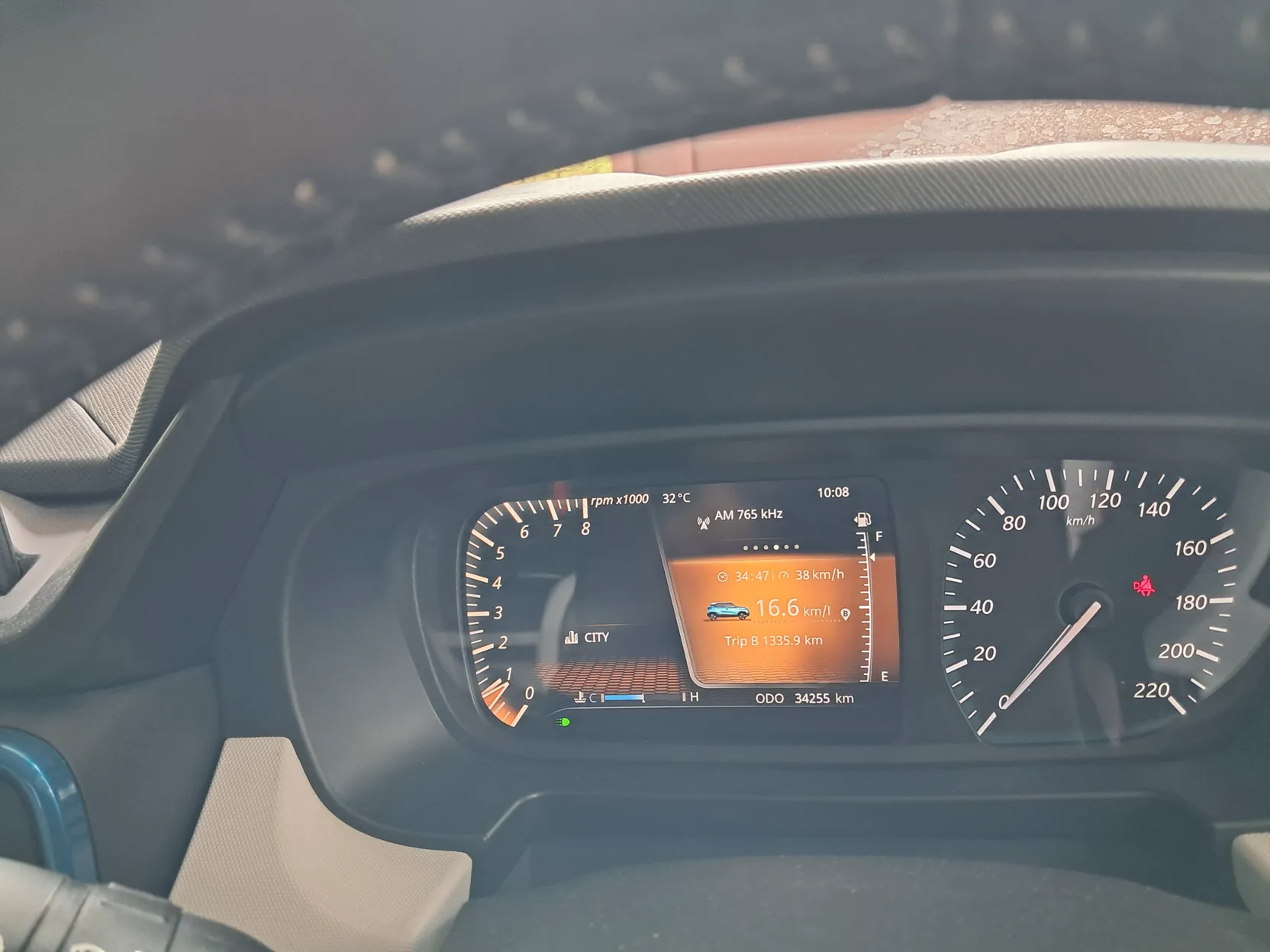
Lunch was at Amrut Inn in Karwar, and it was the best of all the lunches we had on this trip. The rotis were simply delicious. After that, we drove back home. The trip meter read 1335.9 kms.
🔗What we could have done better
We chose to stay in South Goa because most reviews said it lacks the hustle and bustle of the north and is peaceful. However, this meant a lot of extra driving, especially on the days we covered North Goa.
We also wish we had chosen places by reading reviews more thoroughly for ticket prices and weekly closure days. As we love to drive, trips such as the one to the Spice Garden were not entirely wasted, since the route was rich in greenery with great roads and let us see Goa beyond the touristy places. It just burnt additional time and fuel.
Overall, we loved the trip. Goa was clean with wide roads, and civic workers were on duty every morning picking up trash. If only tourists stayed responsible, their job would have been a lot easier.